SMMI and partners deliver a successful two‑day course in Larnaca on Autonomous Futures
The Southampton Marine and Maritime Institute (SMMI) and the Cyprus Marine and Maritime Institute (CMMI) have jointly organised a short course in Larnaca, Cyprus called Autonomous Futures: Drones for Health, Heritage, Transport, Science and Security.
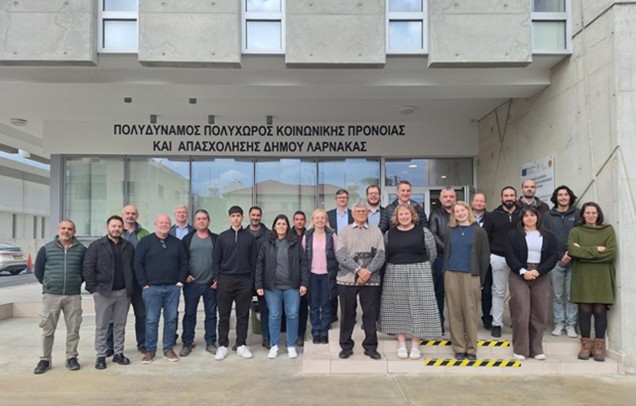
Researchers, practitioners, and early-career professionals from across Europe were invited to the course which aimed to explore the future of autonomous systems, and forms part of the Lorelei-X project funded by Horizon Europe.
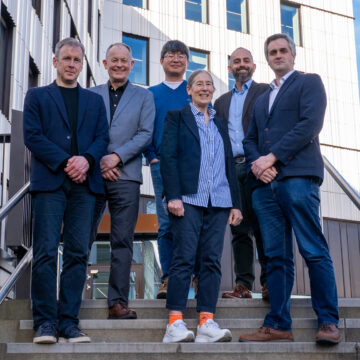
Led by a team of SMMI experts including Dr Emma Curtis and Professors Tom Cherrett, Dave White, Katherine Theobald, sessions benefited from both the team’s individual strengths and collaborative synergies.
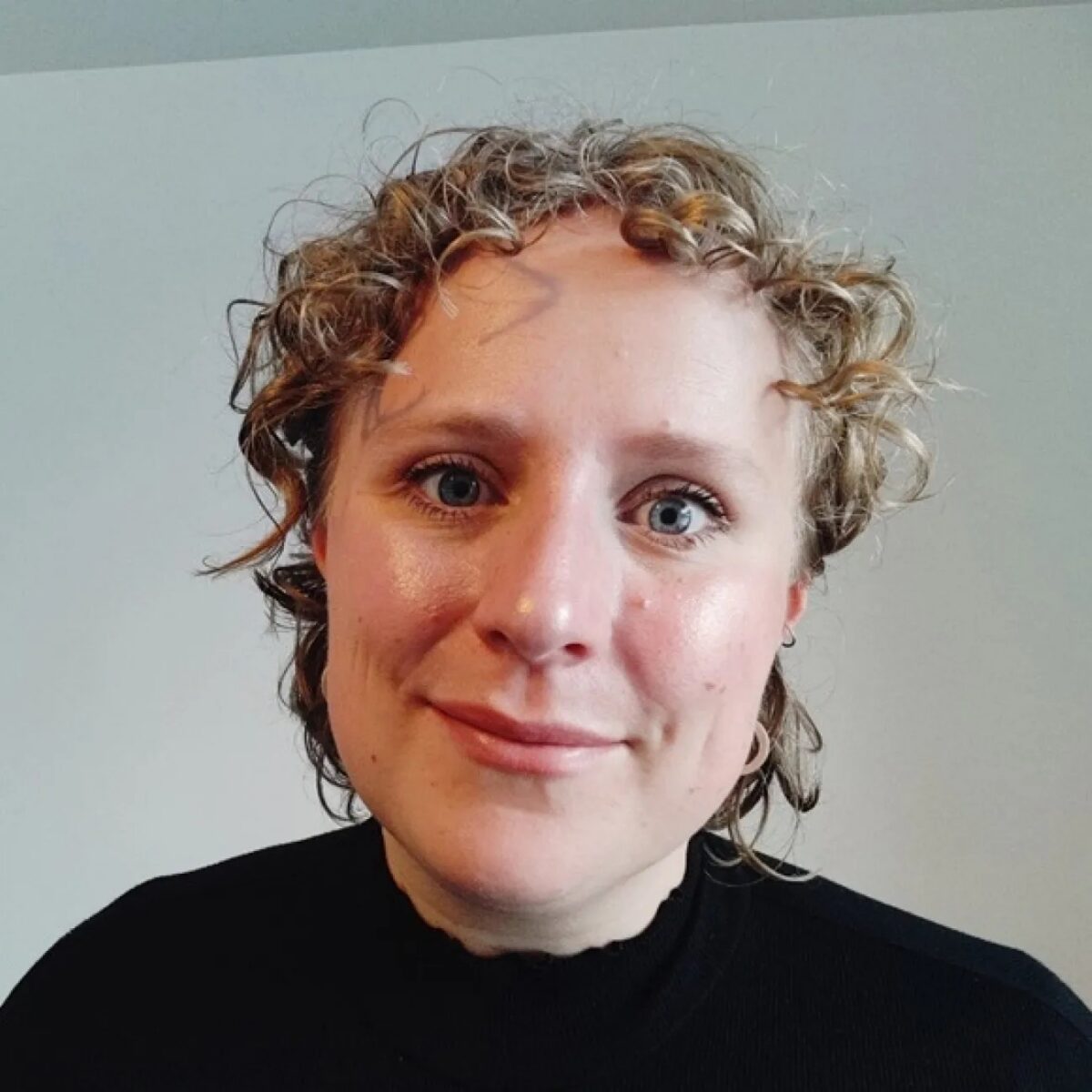
Dr Emma Curtis, a research fellow in seafloor imaging and data management, offered unique insights during practical demonstrations showing the use of autonomous tools to support heritage mapping, environmental monitoring, logistics, and public services. She shared her hopes for the future of automation in marine environments:
“Advances in autonomous platforms and remote sensing are not only pushing us towards achieving our goal of mapping out the Earth’s seafloor but allowing us to repeatedly monitor vulnerable marine environments at effective timescales, so that we can make sustainable decisions in our continued interactions with the oceans.”
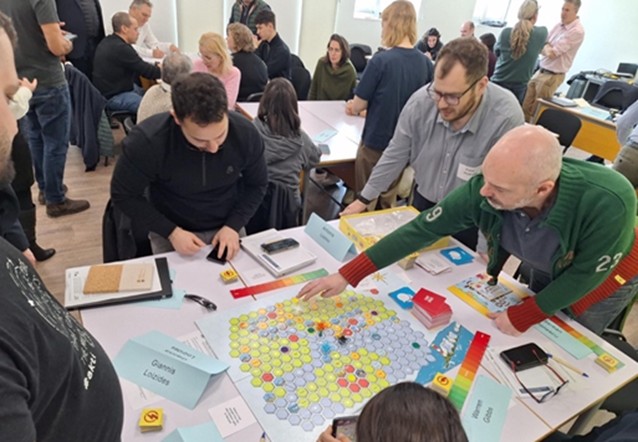
An interactive session led by Katherine Theobald, whose PhD research investigates the effects of vibration on the transport of medical products, also sought to help attending researchers build key skills in mission planning, operational risk assessment, and data analysis through a popular team exercise involving the design of drone delivery routes across Cyprus. Speaking on the success of the session, she explained the need for greater interdisciplinarity and collaboration in research to drive industry innovation:
“It was fantastic to see how enthusiastically everyone engaged with the session, bringing not only their personal, professional and technical expertise but also invaluable local knowledge of Cyprus into the discussion. In my six years of industry experience, I’ve seen first-hand how essential interdisciplinary working and open knowledge-sharing are to bridging gaps between research, operations, and real-world application. Creating spaces where different perspectives can genuinely collaborate is what drives meaningful innovation and realistic application.”
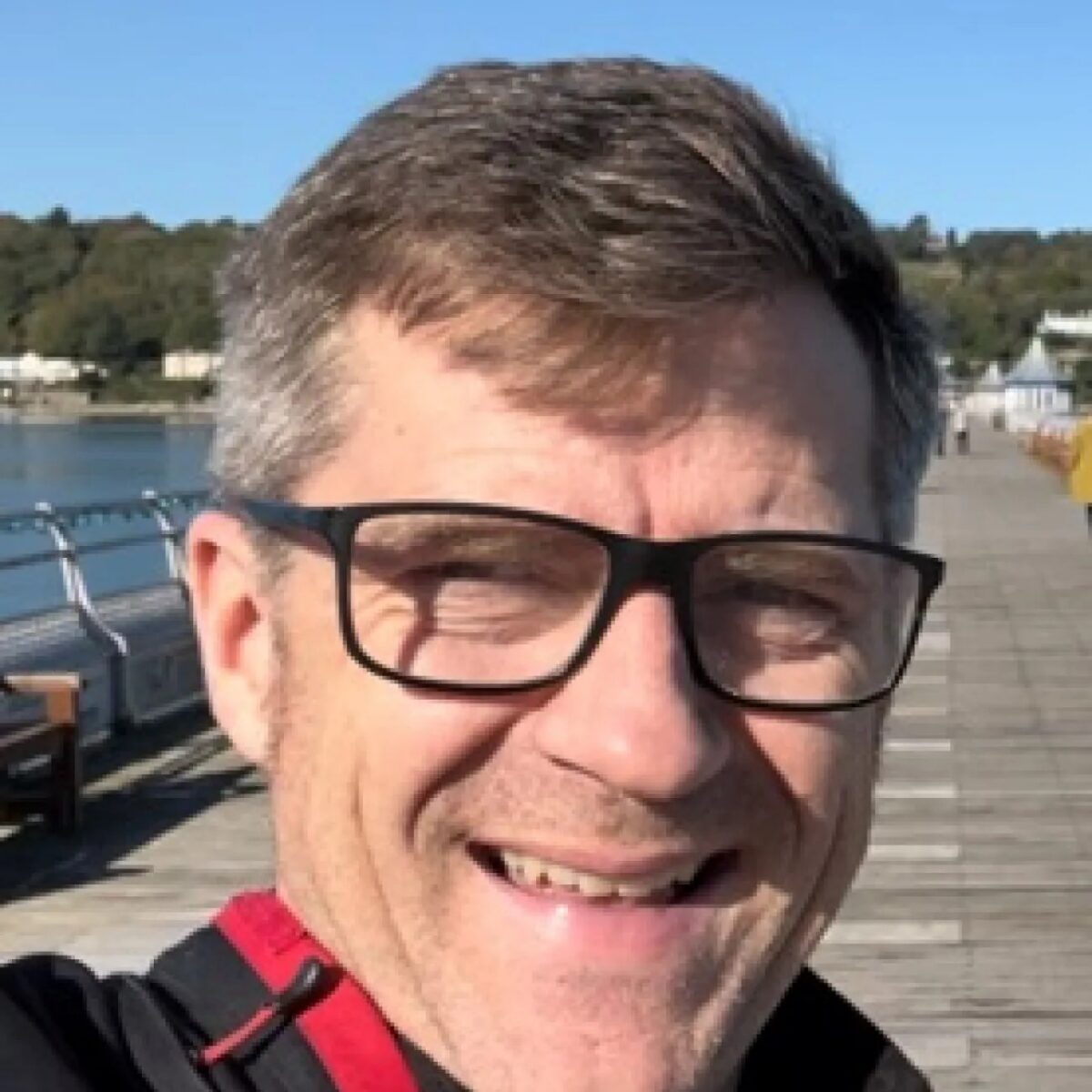
A public lecture on the potential for drone logistics to improve healthcare provision, particularly in remote or resource-limited communities, was delivered by Professor Tom Cherrett at the CMMI, which attracted attendees from local government, academia, and industry. Reflecting on the keynote, Tom said:
“It was an honour to give the public lecture on ‘Drones in Action: The scope for transforming medical logistics’ at the invitation of CMMI and the Mayor of Larnaca. There was much interest in the topic and great discussions were had with audience members both during and after the presentation, highlighting the emotive nature of the subject area and the need to involve stakeholders from all areas of the community in developing acceptable and effective drone logistics systems in the future.”
The course reflects SMMI’s continued partnership with CMMI, its mission to further marine and maritime knowledge on a global scale, and its commitment to translating cutting-edge research into practical training that supports the next generation of researchers in autonomous systems.
Professor Dave White, who has extensive experience of teaching in academic institutions and industry environments as a geotechnical civil engineer, hopes to see further international partnerships made in the future:
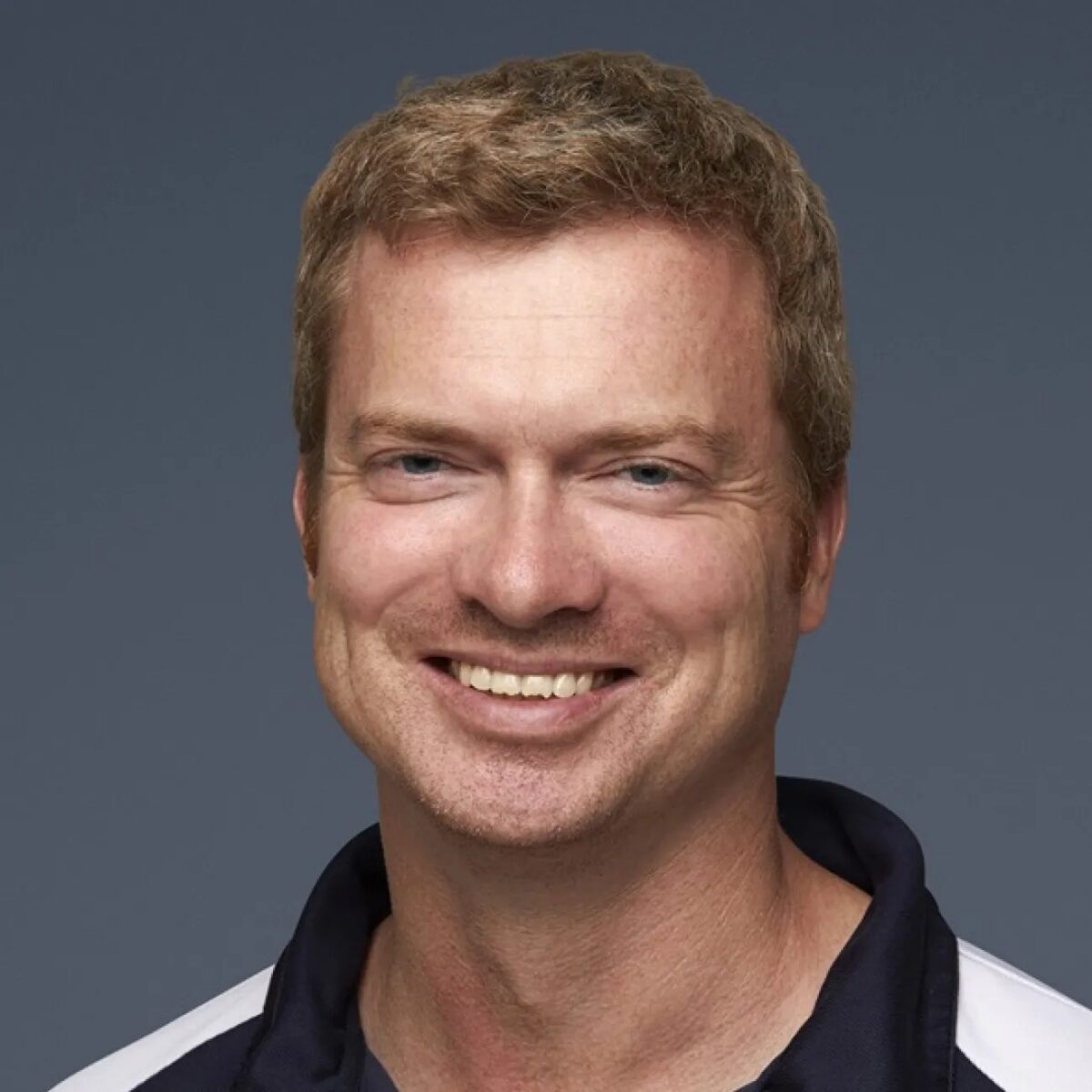
“These courses that we run in Cyprus each year are an example of the University’s growing capacity to deliver future-critical training beyond the traditional settings of our on-campus undergraduate and postgraduate courses. Initiatives like this help us equip organisations and communities with the knowledge and skills needed to embrace new technologies such as autonomous systems. These events also catalyse new research directions while raising our international profile.”
To stay up to date on the latest marine and maritime research and news from the SMMI, visit the SharePoint site or follow the LinkedIn page.
Share this article on social media: