Sustainability and Resilience Institute strengthens global partnerships
The Sustainability and Resilience Institute (SRI) is continuing to expand its international reach, with Director, Professor Craig Hutton, recently undertaking a series of visits across Asia and Europe to strengthen research collaborations, influence global policy, and develop new opportunities for interdisciplinary working.
Over recent months, Craig has represented SRI and the university in Indonesia, India and Sweden, contributing to projects that span sustainable food systems, air quality, and international policy development.
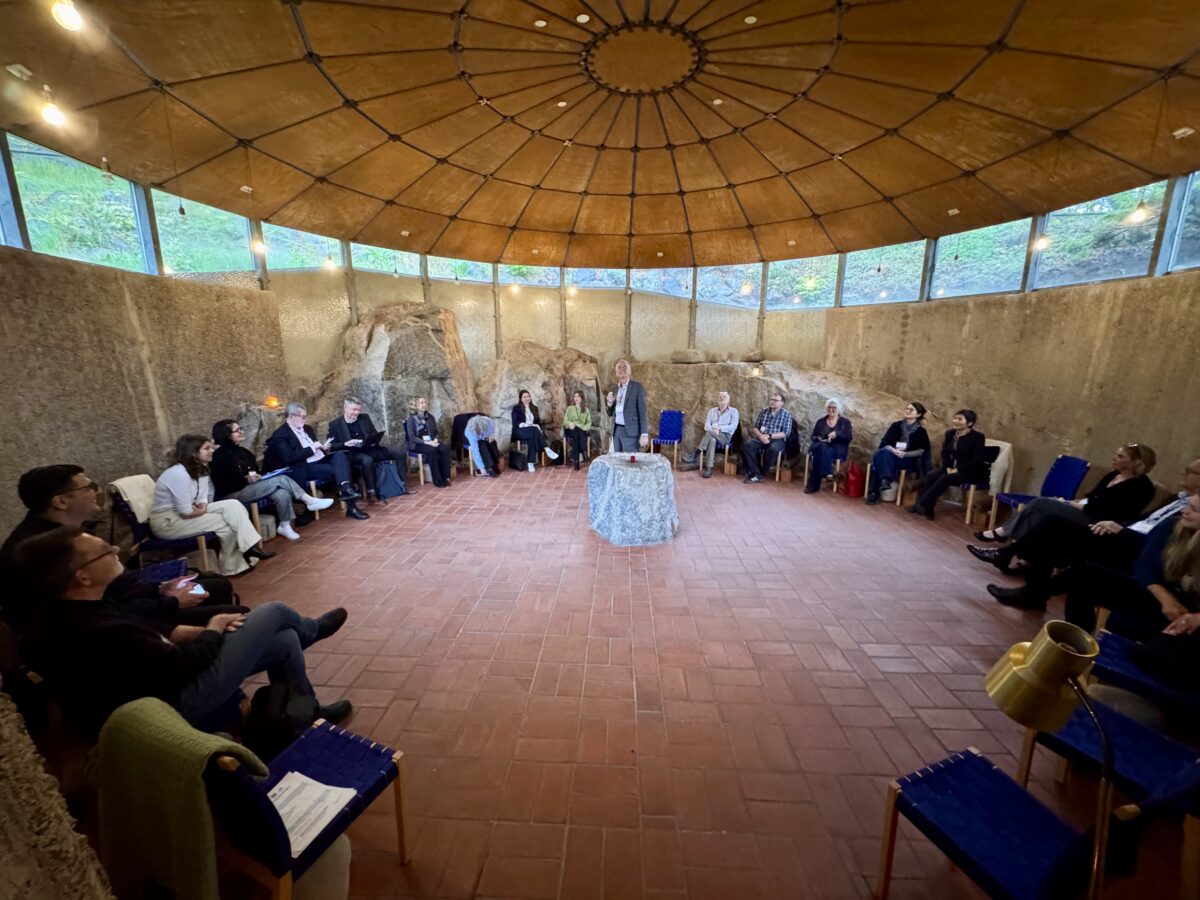
Craig Hutton’s final stop was Sweden, where he attended meetings as part of UNESCO’s Managing Social Transformations (MOST) programme.
Supporting sustainable aquaculture in Indonesia
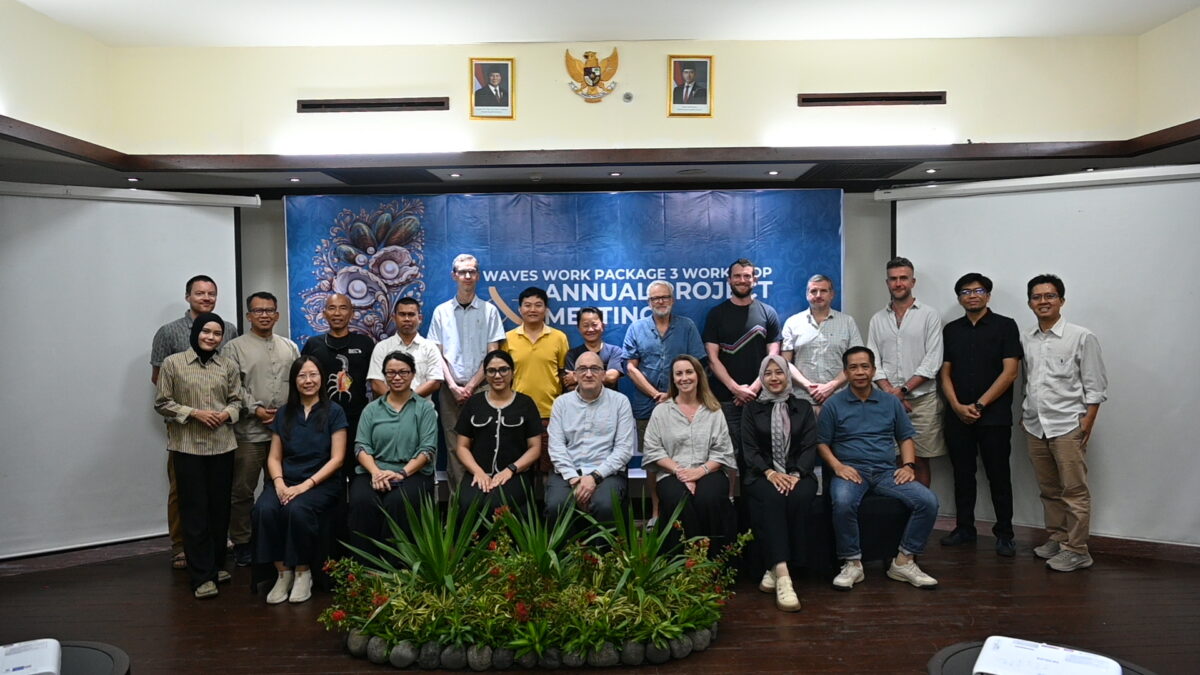
Craig travelled to Indonesia as part of the international WAVES project, a collaborative research programme examining the future of bivalve aquaculture, the farming of shellfish, in a changing climate. Working alongside partners from Indonesia, Vietnam and Malaysia, and led by Professor Chris Hauton, the project is investigating how shellfish such as mussels and oysters could provide a more sustainable source of aquatic protein.
With aquaculture now producing more seafood globally than wild fisheries, the project is exploring how low-impact farming methods can help improve food security while reducing environmental harm. Unlike many intensive fish and shrimp farming systems, bivalves naturally filter water, require little or no antibiotic treatment and can be farmed using relatively low-cost equipment, making them accessible to lower-income coastal communities.
During the visit, the team visited pearl farming operations and green-lipped mussel fisheries to examine different production methods and their environmental and social sustainability.
Craig said, “The research is helping identify where climate change may create future opportunities for sustainable shellfish farming while also understanding potential risks, including water pollution and contaminant uptake so it’s really important for future sustainability.’
Building new research partnerships in India
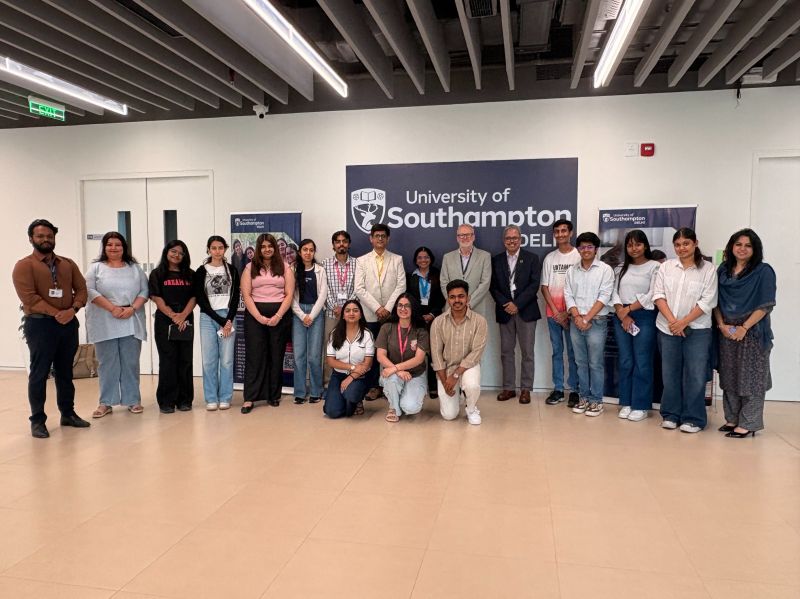
From Indonesia, Craig travelled to the University of Southampton Delhi campus to strengthen SRI’s presence in India and explore new collaborations around one of the country’s most pressing environmental challenges: air quality.
The visit included plans to establish an SRI chapter at the Delhi campus, helping integrate colleagues into the Institute’s activities and fostering closer collaboration across Southampton’s international community.
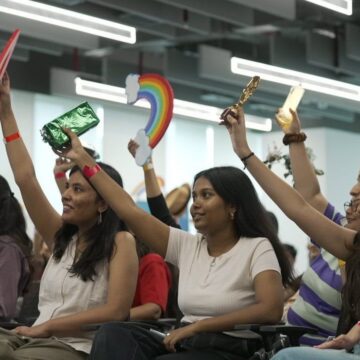
Working alongside colleagues from our India Centre, including Professor Sabu Padmadas, Craig convened a workshop bringing together around 40 representatives from universities, research institutes and government agencies.
The discussions focused on developing a collaborative programme modelled on SRI’s Clean Air South initiative, with ambitions to establish joint PhD scholarships, researcher exchanges and partnerships with government and non-governmental organisations. Future research could address air pollution monitoring, health impacts, environmental justice and the disproportionate effects of poor air quality on vulnerable communities.
Influencing global policy through UNESCO
Craig’s final stop was Sweden, where he attended meetings as part of UNESCO’s Managing Social Transformations (MOST) programme.
Recently appointed as a Scientific Advisor to UNESCO MOST, with a specific remit for its BRIDGES programme, Craig is helping strengthen the role of the humanities and social sciences in environmental policymaking.
BRIDGES brings together researchers from across the world to develop advice for UNESCO, encouraging governments to incorporate insights from disciplines such as sociology, politics, law, philosophy and the arts alongside natural science evidence when addressing sustainability challenges.
Craig is now bringing together colleagues from across the University to contribute to this work, ensuring expertise from environmental science, social science and the humanities can collectively inform international policy development.
Reflecting on the recent programme of visits, Craig said, “The trips demonstrate the value of international collaboration in addressing complex global challenges.
“Whether we’re exploring sustainable food production, tackling air pollution or helping shape international policy, these partnerships are about bringing together different disciplines, countries and perspectives to develop practical solutions for sustainability and resilience.”
Through these collaborations, SRI continues to strengthen its international partnerships while ensuring University of Southampton research contributes to solutions for some of the world’s most pressing environmental and societal challenges.
Share this article on social media: