Home » 2026 October » Raising reputations: make your expertise more visible
Raising reputations: make your expertise more visible
Our reputation, both as individuals and as an organisation, is shaped by what people know about us and our work.
That impression starts with what we share.
A new SharePoint site provides the tools to help you share your research, achievements and stories with wider audiences to build your professional profile at the same time as the University’s.
You’ll find practical guidance and advice on:
keeping your PURE and staff profiles up to date,
making the most of LinkedIn and other social media platforms,
using Google Scholar and ResearchGate,
getting media-ready, from writing for The Conversation to providing expert commentary and working with the Media Team; and
what to do if you experience challenges or negativity.
Whether you’re new to sharing your work or already confident, there are lots of training opportunities to develop your skills and reach new audiences, including:
Introduction to social media: to help you get up to speed with today’s social media landscape and identify where to focus your time and effort.
Social media for academics: an interactive session with public engagement specialist Jamie Gallagher to help you strengthen your online presence and use social media in effective, time-efficient ways.
LinkedIn for academics: to help you build your LinkedIn presence and make the platform work more effectively for your academic career.
Short-form video for academics: a hands-on session helping you create short-form video that makes complex academic ideas clear, engaging and shareable.
Sharing your work and strengthening reputations doesn’t need to be time-consuming or daunting – it can be fun and the hub is designed to make the first steps easy.
The drive to share our expertise, build relationships and raise the visibility of our work is taking place across our university community and forms part of the University’s strategic approach to reputation management, being delivered through a University-wide Strategic Major Project alongside related QS activity across Faculties and Schools.
The new Reputation Champions are helping to support and encourage this work locally.
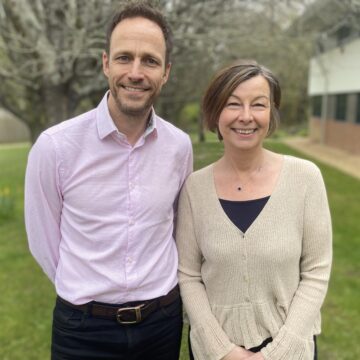
Both Alberto Naveira Garabato and Delia Crowe are part of that group. They tell Staff Matters what reputation means to them, their experiences and what they’ve learned along the way.
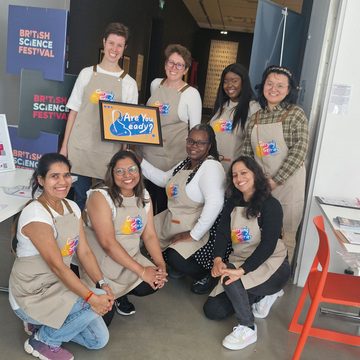
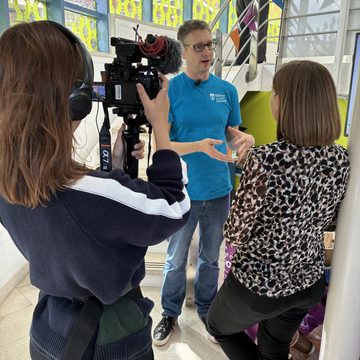
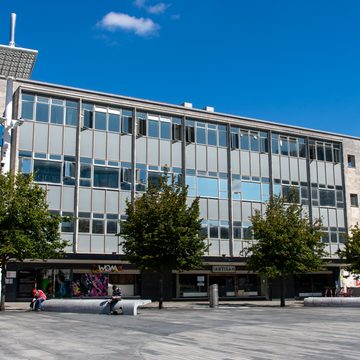
Delia (pictured left) is Director of Internationalisation for Winchester School of Art (WSA). Reputation building is at the heart of her role, whether she’s representing WSA and the wider University community at international events or showing partners and collaborators around the WSA campus.
I take great pride and joy in showing people our world-class facilities and talking about the amazing things we do and the opportunities available to our students. I get enormous pleasure from describing what goes on at the school; it’s a special space.
Clear communication is vital. I’ve had to become efficient at communicating – often, you only have a short amount of time to make an impression, so it’s essential to be clear about what we stand for and what we do well. My role is to bring that to life through stories. Whether it’s a student who’s gone on to do something remarkable, an inspiring alumni journey, or memorable experiences such as our final year fashion catwalk show in Winchester Cathedral, these stories help people connect with what we do in a meaningful way.
Raising reputations is vital. The importance of QS cannot be understated and it’s encouraging to see how seriously the University is taking this agenda. Reputation matters not only within academia but also to prospective students, parents and partners. People want to know that they are joining a world-class institution that is ambitious, respected and producing excellent work. Ensuring our name is recognised is something we need to work on together – and we need to keep telling these stories.
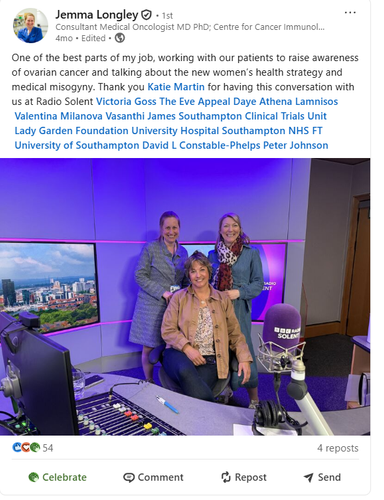
Social media can play an important role in sharing what we’re doing. LinkedIn is particularly useful for connecting with colleagues, keeping up with developments across the sector, and discovering opportunities, whether that’s conferences, competitions or collaborations. It’s also a simple but valuable way of sharing successes and contributing to wider conversations about education, creativity and research.
I’m delighted to join colleagues in the Reputation Champions group and contribute to the conversation around reputation building. We have an extraordinary depth of expertise, creativity and success. I’m looking forward to helping share more of the stories that demonstrate the quality and impact of what we do.
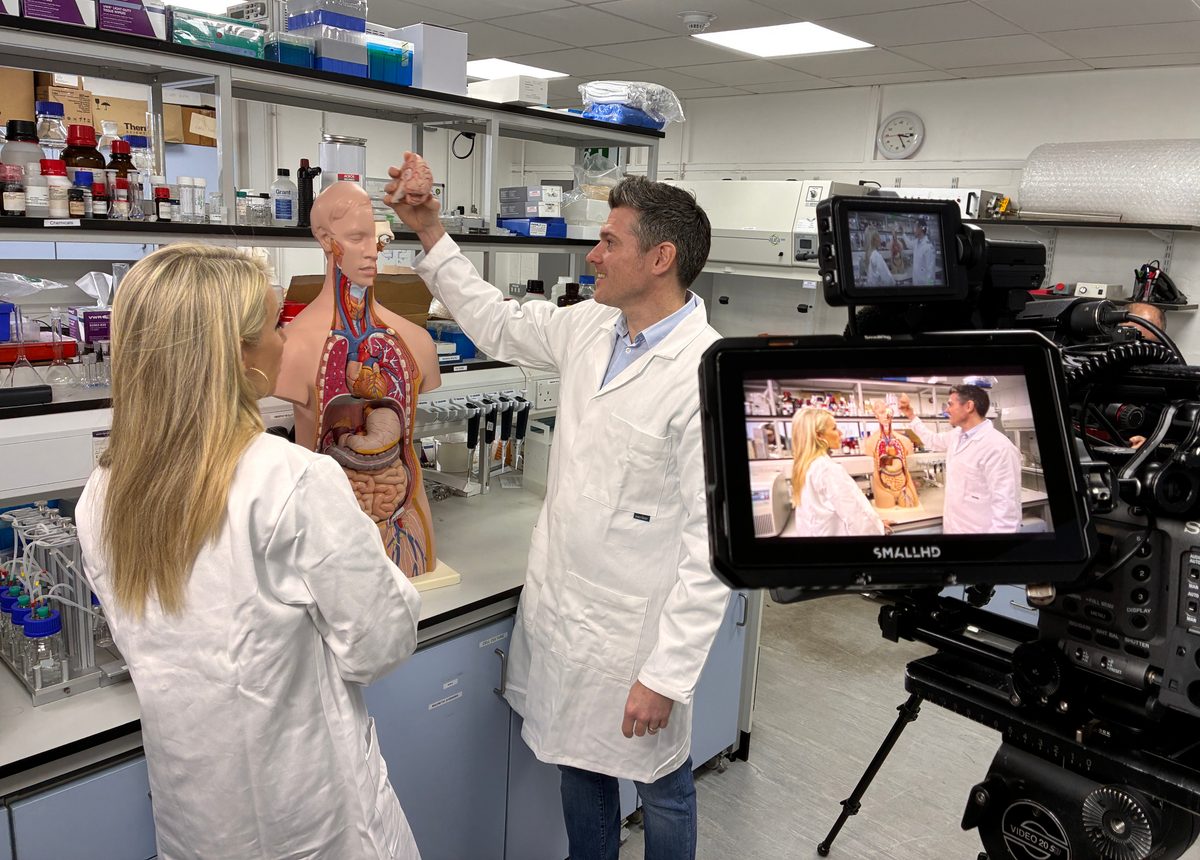
As a Regius Professor of Ocean Sciences, Alberto has taken part in various activities raising the profile of the University’s research on the role of the ocean in the climate system. He has taken part in media interviews and regularly shares content on LinkedIn. The recent news that he has been elected to the Fellowship of the Royal Society gained media coverage and was shared on socials. He knows the importance of building long-lasting partnerships and collaborations that lead to impactful research and enhance reputations.
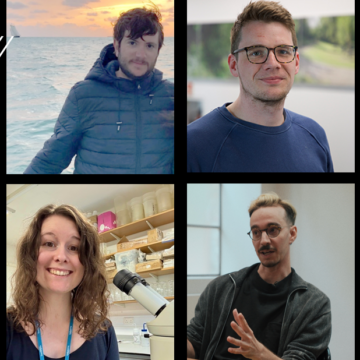
As a Regius Professor of Ocean Sciences, Alberto (pictured left) has taken part in various activities raising the profile of the University’s research on the role of the ocean in the climate system. He has taken part in media interviews and regularly shares content on LinkedIn. The recent news that he has been elected to the Fellowship of the Royal Society gained media coverage and was shared on socials. He knows the importance of building long-lasting partnerships and collaborations that lead to impactful research and enhance reputations.
The University is home to some really special and world-class research, but we could be more effective in letting the world know about it. For me, this activity is all about enhancing the University’s reputation by making sure as many people as possible know about what’s happening here. Not only is it important to communicate effectively, but also that we’re well integrated into networks that could further the work or draw impact activities from it.
Most of my advocacy activity is research-focused and it’s rewarding – it’s a good feeling to help promote our research and impact. It can occasionally be frustrating when I see other groups or institutions do a better job than we do at getting recognition for their research, but that’s what we’re trying to improve.
I’m proud to be part of the Reputation Champion group. As a collective, we must ensure we are hitting the reputation metrics used by international ranking systems like QS, so the real level of our research and education is captured by those systems.
Advocacy is an intrinsic part of the job – every time we communicate our research, participate in national and international events, lead fieldwork, there is an opportunity for advocacy.
Professor Alberto NAVEIRA GARABATO
The Reputation Champions can provide guidance and share examples of best practice to support colleagues in their reputation-building activities.
The Champions are as follows:
Faculty-level Champions, normally the Associate Deans International – who lead and sponsor activity, connecting it to Faculty priorities and governance.
School-level Champions – who lead local engagement within their School
Faculty Operating Service Champions – who support co-ordination and delivery of school engagement plans
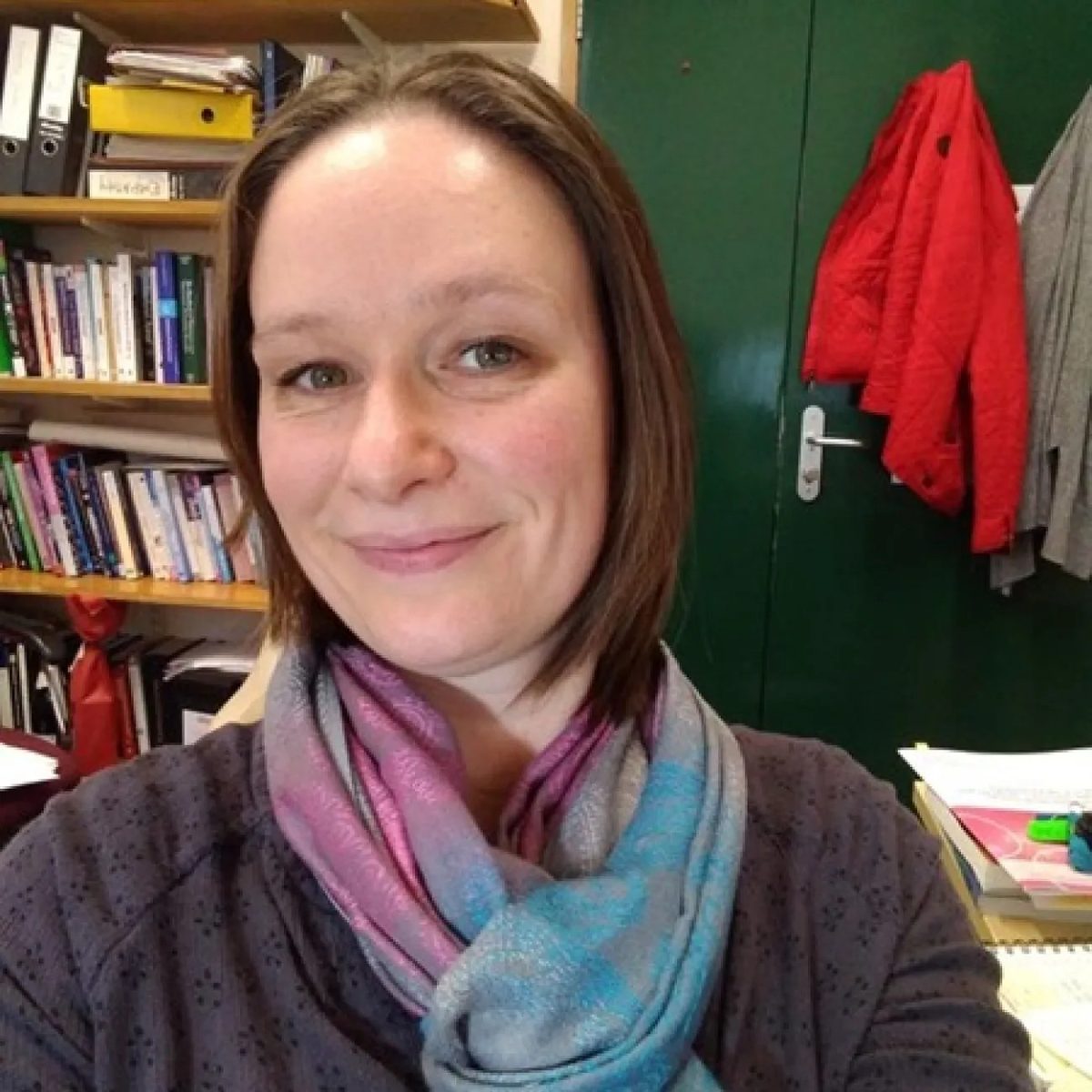
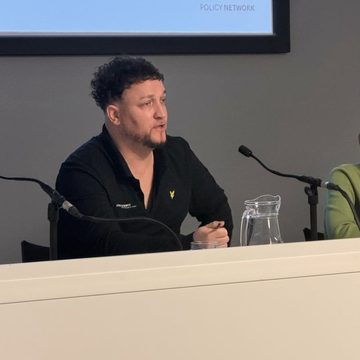
Claire Hart (pictured left), Associate Professor in Psychology, is the University’s new Head of Academic Advocacy, a role to help colleagues feel more confident in sharing their expertise and to make academic advocacy feel achievable, worthwhile and relevant to academics at all career stages.
Academic expertise extends beyond research, so a key part of her role is encouraging colleagues to recognise and communicate the breadth of what they have to offer: whether through research, education, leadership, professional practice, knowledge exchange or engagement with external organisations and communities.
Claire will work with colleagues to build confidence and skills, connect academics with relevant opportunities, training and support, and share practical ideas and examples of what effective advocacy can look like. A particular focus will be helping colleagues make more of the work they are already doing, rather than seeing advocacy as another task to add to an already busy workload.
Confidence in communicating our expertise isn’t necessarily something we either have or don’t have. With the right opportunities, encouragement, practice and feedback, it can grow remarkably quickly. Sharing our expertise can build our professional profiles, create new connections and collaborations, increase the reach and impact of our work, and open up opportunities we might otherwise never encounter.
And advocacy can take many different forms. It isn’t just about media appearances or talking publicly about research. It might mean sharing expertise in education or leadership, building relationships, working with external partners, contributing to knowledge exchange or engaging with different communities. There are lots of ways academics can make their expertise more visible.