Reflections on the British Science Festival
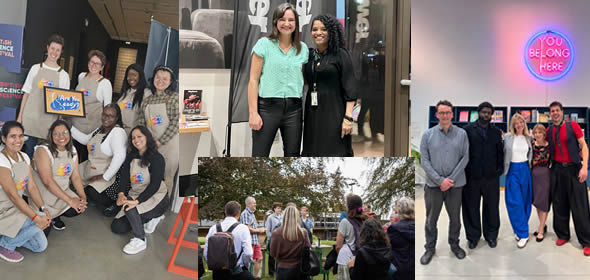
The success of the British Science Festival Southampton was largely due to the enormous collective effort from colleagues, partners, individuals and teams who put themselves forward through the calls, award lectures, satellite events or artistic commissions.
At the heart of the festival were the talented academics who created and then implemented activities aimed at engaging a diverse audience and showing them the relevance of their work to society.
Four of our academic colleagues have been sharing their experiences of the festival with Staff Matters.
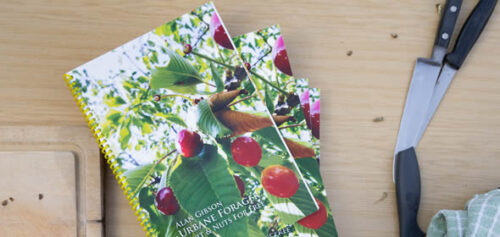
Alan Gibson – Research Technician, School of Physics & Astronomy – Urbane Forager event
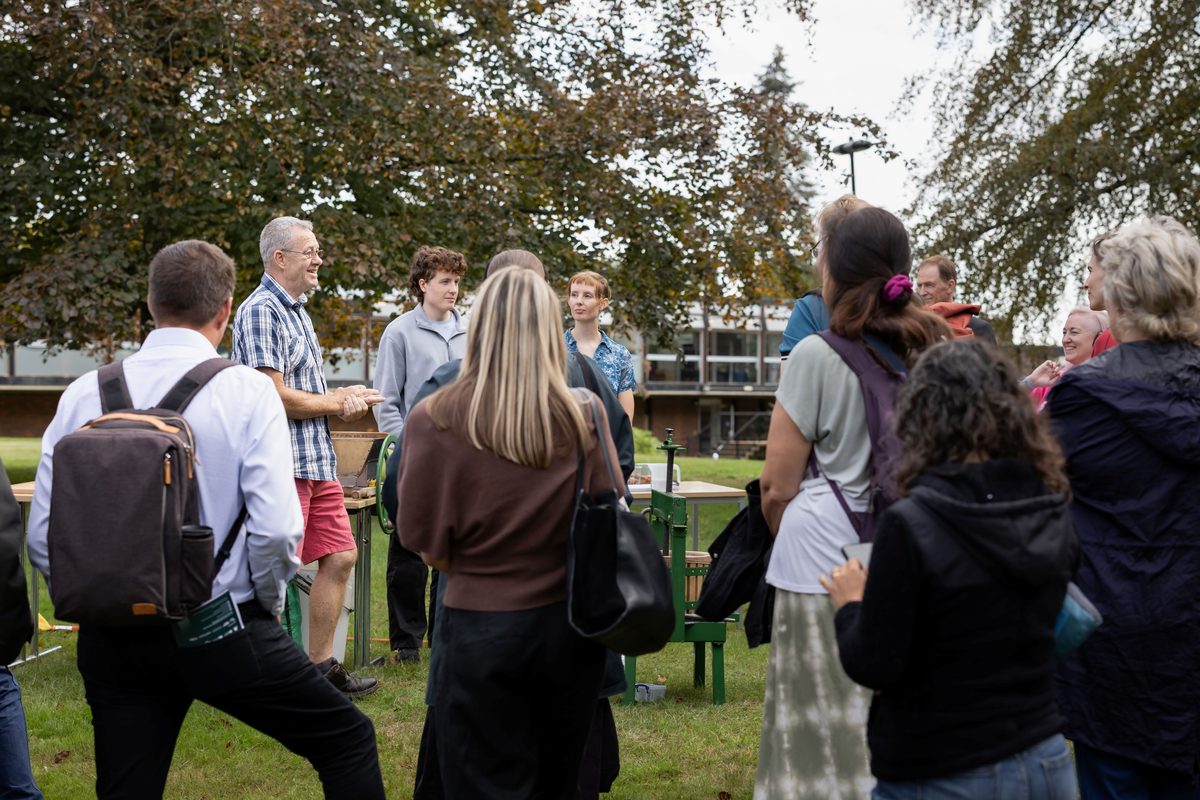
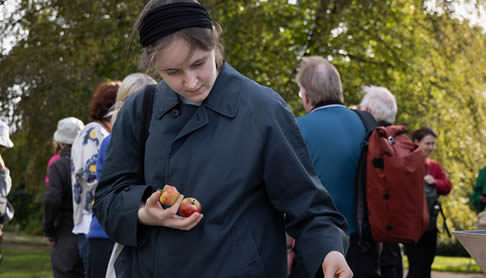
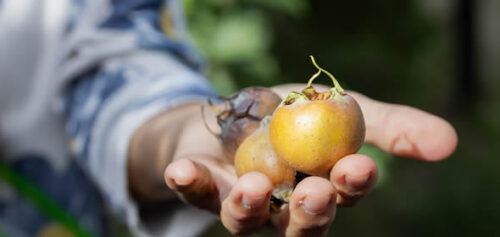
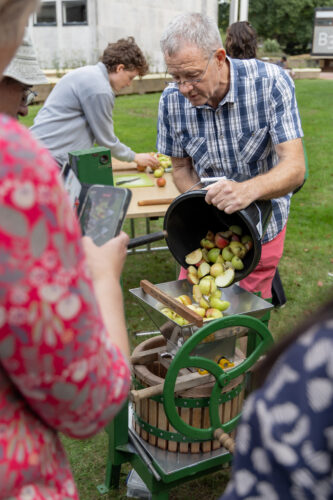
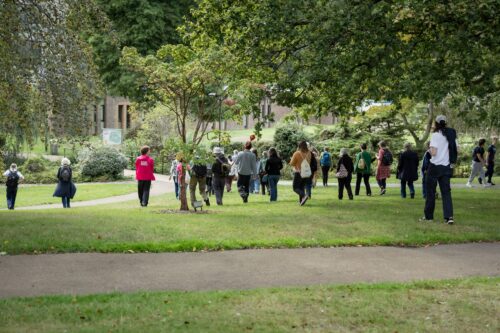
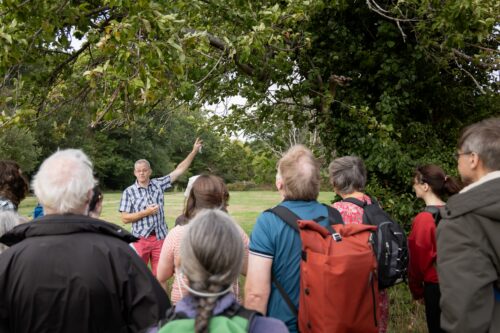
“I led a foraging tour for 30 diverse people through Highfield Campus to Southampton Common, pointing out plants along the way, including hazelnut trees, blackberry brambles, elderflower trees, hawthorn shrubs and apple trees. The group picked some apples and took them back to campus where everyone got involved with chopping and juicing the fruit in my apple press – with delicious results.
“The Urbane Forager project aims to explore, engage, inspire, and empower ordinary people to be outdoors more, pay attention to their surroundings, be it city or countryside, observe the seasonal differences in plants and trees, and benefit from harvesting free fruit and nuts. I’m sure we made an impact on the day and hope to hear about the attendees own adventures in the future.”
“The Festival was a great opportunity to reach out, both to those not normally interested and those deeply invested, in science and education to understand what science really is.
One of the young women, who was also a volunteer, said she really enjoyed the whole thing and that she wished her Nan could have joined us because she would have loved the event.”
Further reading:
Banned from picking berries on Southampton Common | Daily Echo
The Urbane Forager: Blackberry Ban Battered!
Professor Lucy Green – Professor, Human Development and Health – Creative Conceptions activity
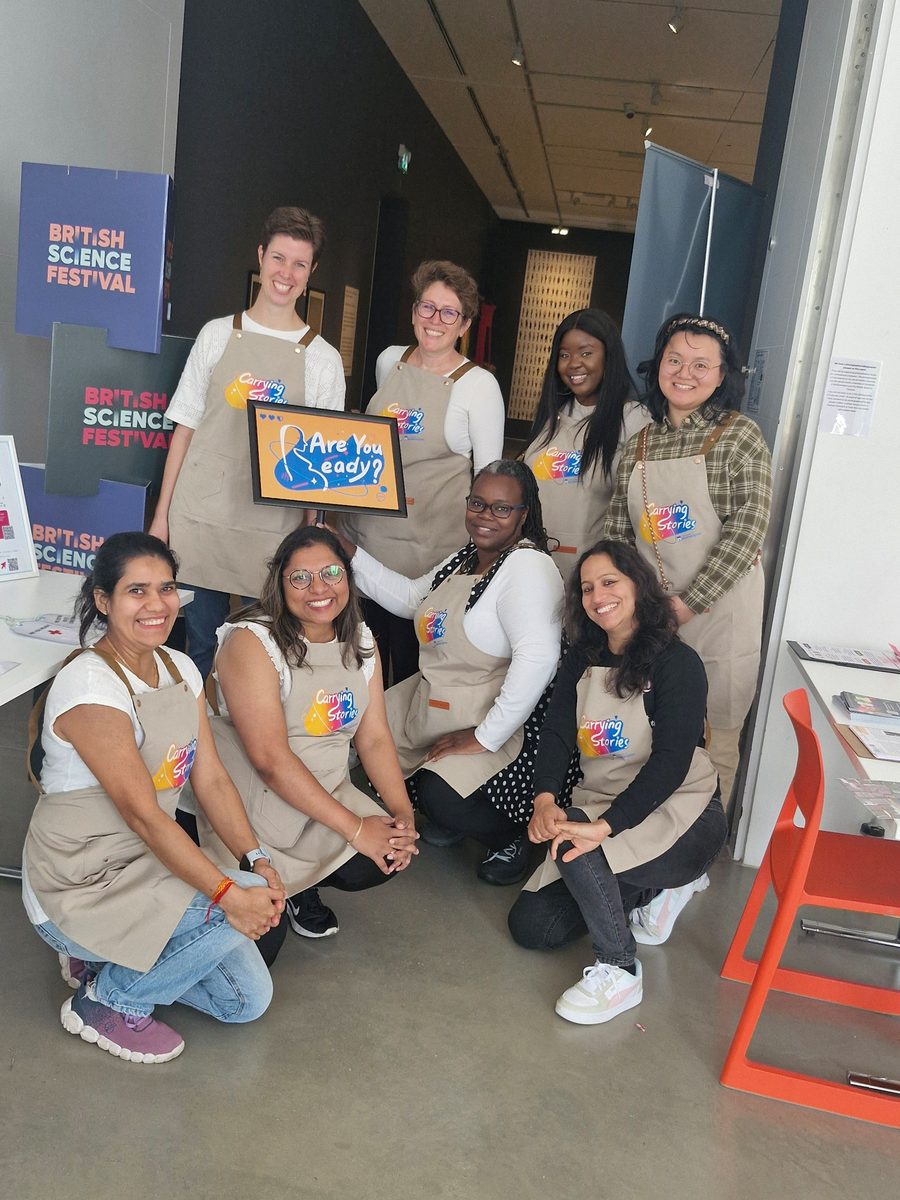
“Our festival activity started 9 months ago. Like a pregnancy. We recruited two artists, found people to join workshops who had a pregnancy in the last 10 years and used creative processes to discuss pregnancy journeys. We were keen to speak to people of Black and/or South Asian background for whom maternal and neonatal experience and outcomes are worse in the UK. It is a tough topic, but the creative activities helped and the stories that were shared were powerful. We explored experiences, values and cultural expectations before, during and after pregnancy. We collaborated with some of the women to take the workshop words and images and produce our festival activity – and they were amazing!”
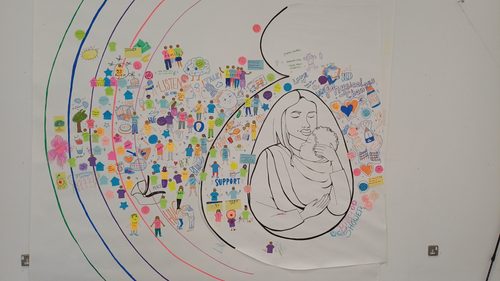
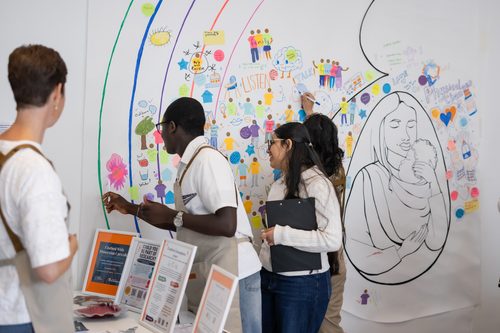
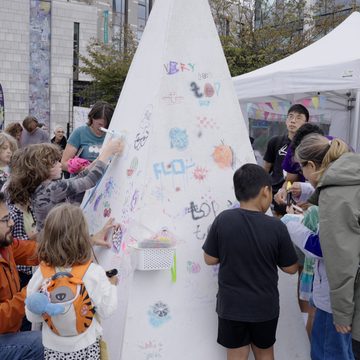
“During the activity we asked visitors to reflect on the pregnancy journey stories from the workshops and make their own mark or response on a giant wall – what would they do to support the pregnancy people around them? This is a visual legacy of the conversations and interactions throughout our project, including the festival itself. Hopefully people went away and mentioned it to friends and family too! We will analyse the image, but already it has gone to a research planning event to be displayed and provoke thought and planning for action in maternity care. Some of the women who joined our initial workshop are already joining in on next stages of change as part of the Southampton work on the Maternity Disparities Consortium – that’s really meaningful.”
“There is little point in doing science in private – it is a very public matter. I am really proud to be part of a medical research environment that puts people and communities at its heart. Our research can only thrive and make change if we connect it to the very people who can benefit from the research product. And that all starts with conversation.”
Nadera Assim – Postgraduate reseracher – School of Health Sciences – Best Foot Forward event
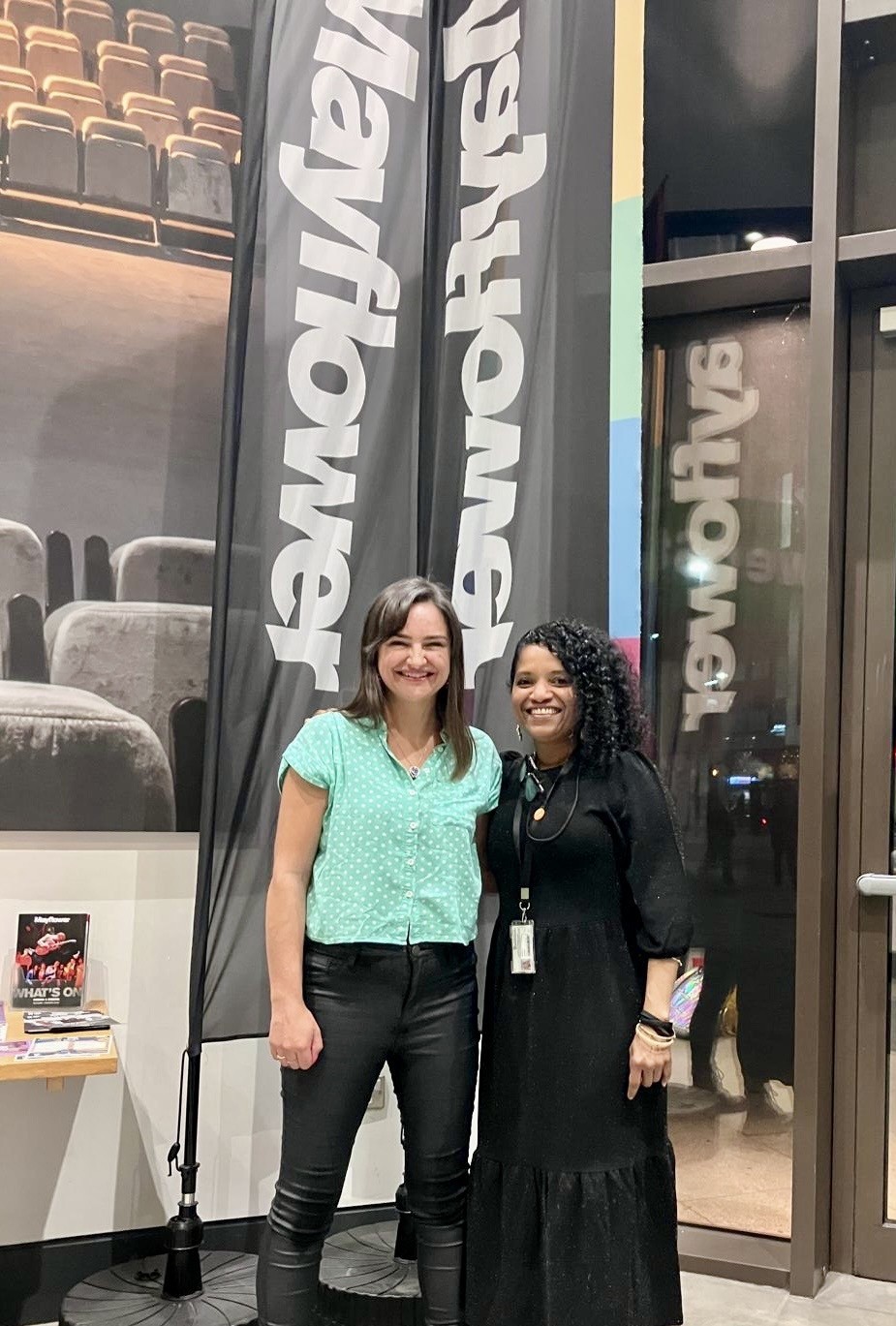
“I worked with theatre maker Victoria Briggs to turn my doctoral research into ‘Best Foot Forward,’ a work in progress about foot care within the UK asylum system. The performance drew on accounts from some participants seeking asylum who described using AI for health advice. Because of the stigma surrounding foot health and Type 2 diabetes, conversations about them are often avoided. Humour and storytelling helped the audience engage with these serious but frequently overlooked topics.”
“The Festival gave the University a valuable opportunity to connect its research with the public and demonstrate its relevance to everyday life. It also allowed me to explore an issue that emerged unexpectedly in my research: some people seeking asylum described turning to AI for medical advice when seeing a GP felt impossible. Their experiences raised important questions about how digital information shapes health decisions.”
“After the performance, an audience member told me they had recently been diagnosed with diabetes but had not realised how it could affect their feet. While watching the piece, they began thinking about foot pain they had been ignoring, which was starting to disrupt their daily walk and decided they needed to get professional advice. It was powerful to hear that the performance had helped someone recognise a change in their own health and act on it.”
Listen to the podcast ‘Finding Your Feet‘.
Dr Luca Di Gregorio – Senior Teaching Fellow in Medical Education – Becoming Doctors exhibition
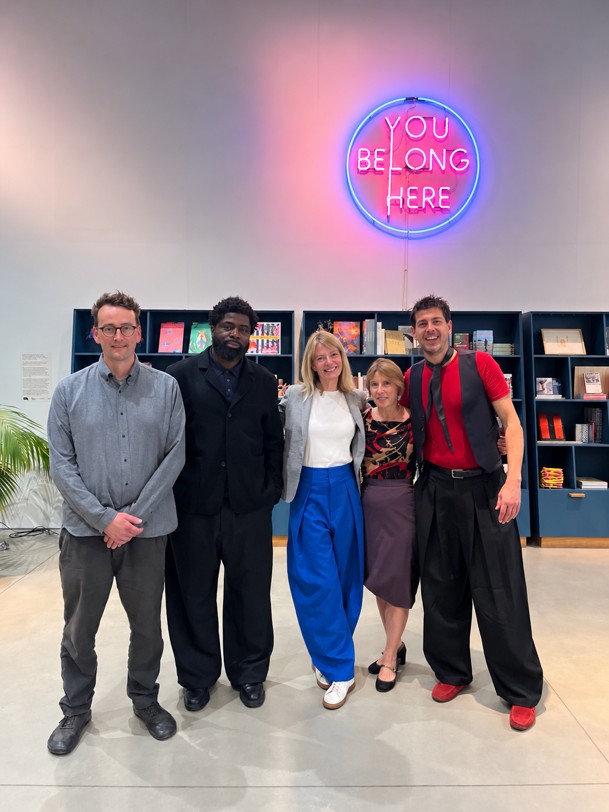
“I wanted visitors to encounter the values, hopes and experiences that are shaping tomorrow’s doctors. For me, the biggest achievement was seeing how profoundly moving and interesting visitors found the Becoming Doctors exhibition, and giving them an insight into the lives, backgrounds and aspirations of future clinicians in training.”
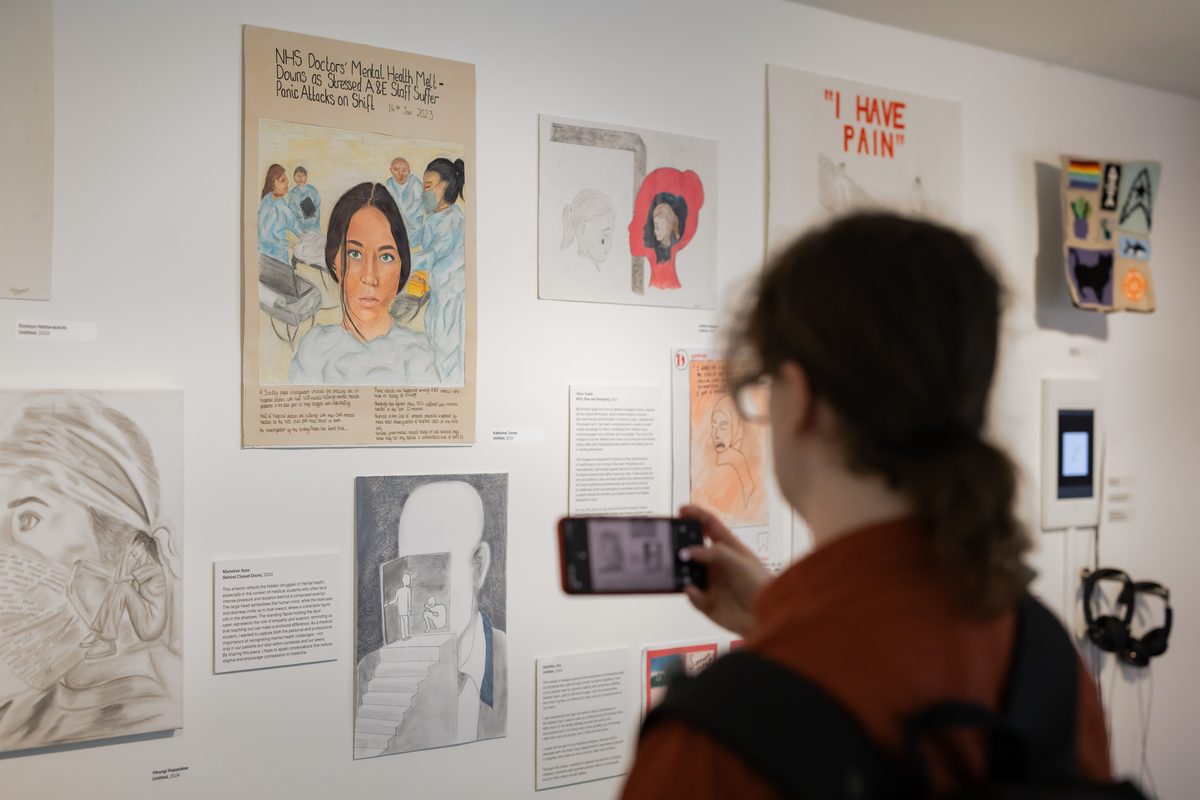
“I hope one legacy is a stronger connection between our medical students and the communities they will eventually serve. Medical education should not happen in isolation from society. I’d love projects like Becoming Doctors to create more opportunities for students to listen to people outside medicine, reflect on their experiences and understand that becoming a doctor is not only about acquiring scientific knowledge and clinical skills, but also about becoming a thoughtful, compassionate, well-rounded human being.”
“I was genuinely surprised by how deeply the public responded to the exhibition. Visitors of all ages, including children, spent so much time looking, reading, watching and listening to the students’ work with extraordinary care and attention. Many told me they had been moved almost to tears. That will stay with me forever. As an educator, seeing these stories of illness, identity, migration, vulnerability and hope resonate so deeply reminded me why I created Becoming Doctors: to give our students’ voices a life beyond the University.”
Further information:
Reflections from the BSF from the Faculty of Environmental and Life Sciences.
Read about the contribution of PGRs from the Doctoral College to the BSF.
Share this article on social media: