Showcasing your research at the British Science Festival
If you missed the deadline for the Closed Call to take part in next year’s British Science Festival (BSF) hosted by the UoS, don’t panic!
The Award lecture opportunity has just opened, and the Open Call for activities will open late November.
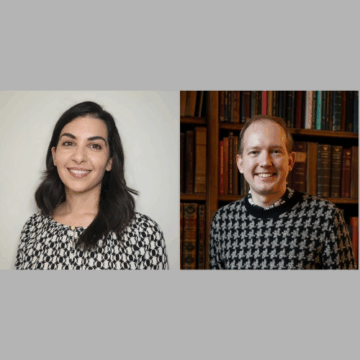
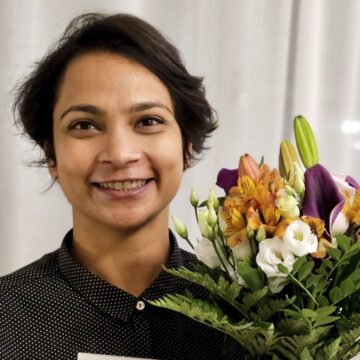
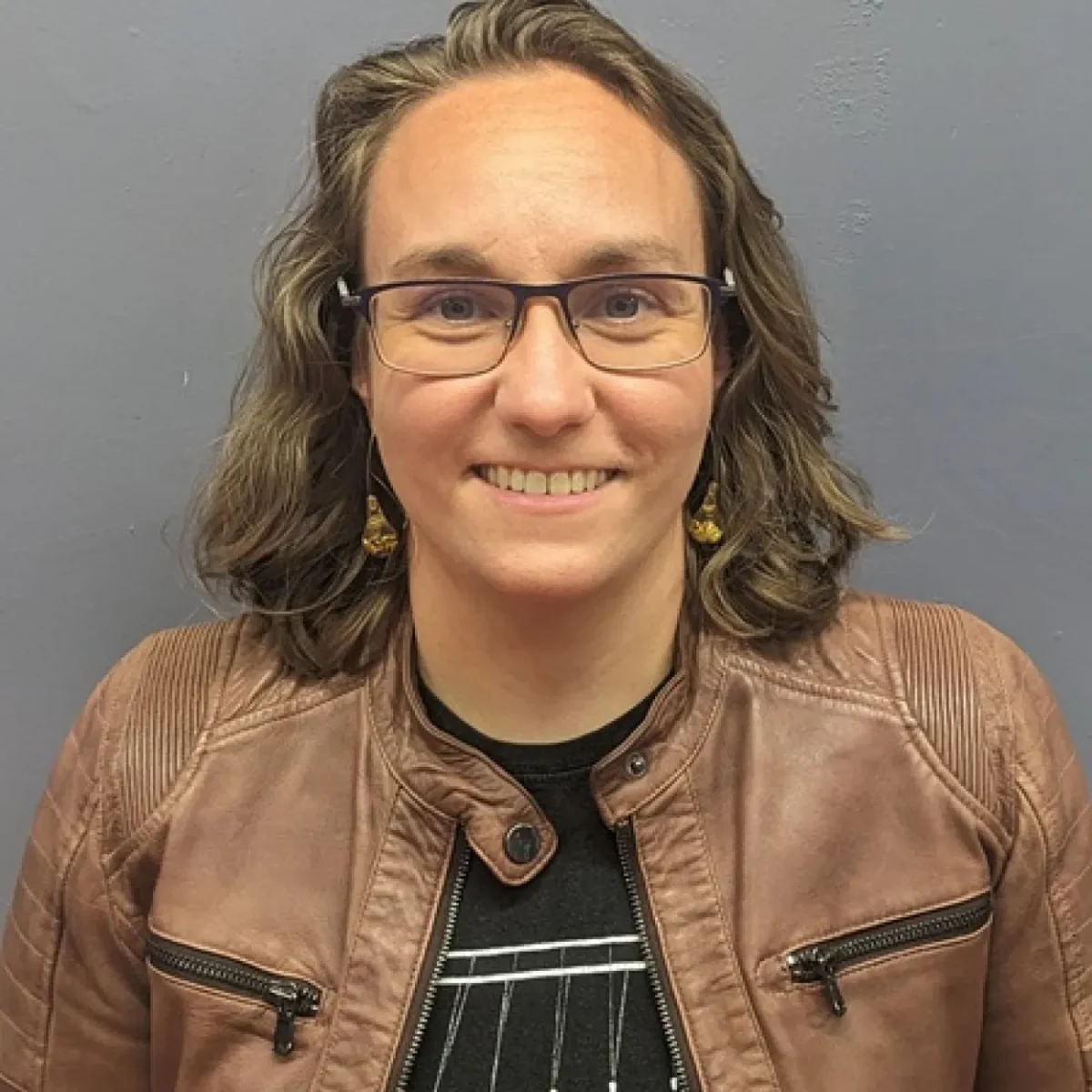
But what is it like to share your research at these events? Staff Matters heard from Dr Alix Chadwell (pictured right), an academic in the School of Healthcare Enterprise & Innovation, who partnered with local universities to demonstrate her research into prosthetics at the Liverpool-hosted BSF.
Q: Tell us about the activity in Liverpool?
Alix: It was called ‘Losing Touch’ and was a journey through the somatosensory system, the network of nerves that enables us to feel pressure, pain, temperature and motion, and to find out what happens when that gets disrupted. For example, when using a prosthetic hand, we don’t have access to all of the touch sensors in our fingers, or what we call proprioception, which is where our nervous system helps us to understand where our joints are in space.
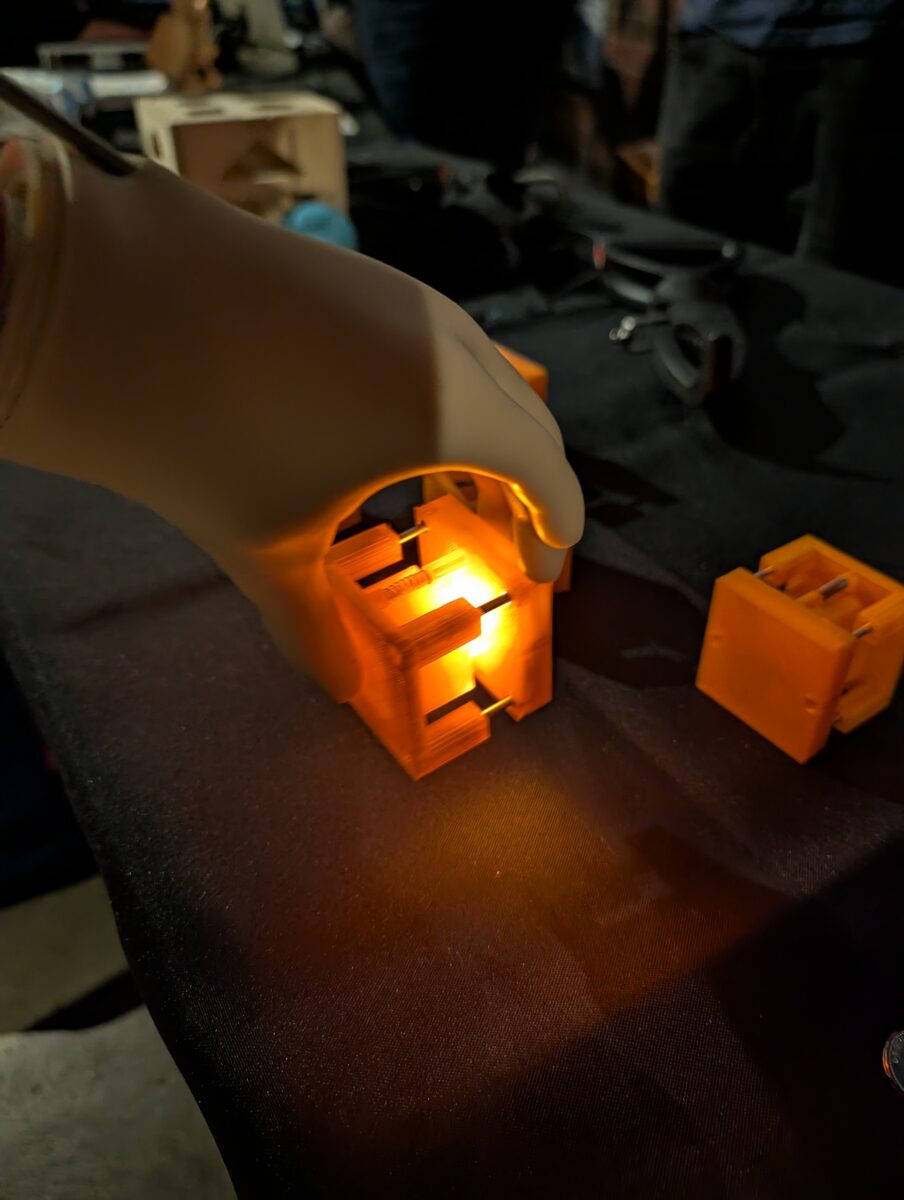
I partnered with neuroscientists and engineers from the Universities of Liverpool, John Moores, and Salford and used illusions and prosthetics to explore the challenges of movement without touch or haptic feedback. In particular, my part of the exhibit gave people the opportunity to try and control the tightness of a grasp using prosthetic simulators with limited feedback about the force they were applying. We discussed aspects such as how they replaced touch with other forms of feedback such as visual feedback.
Q: Can you describe what the final exhibit looked like?
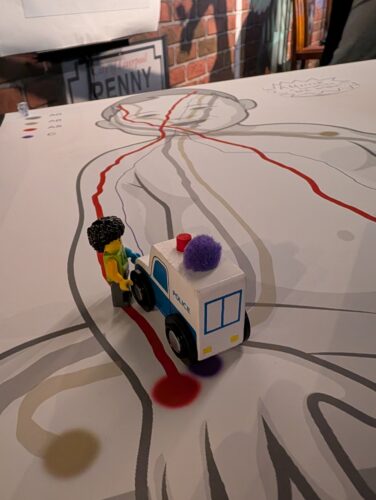
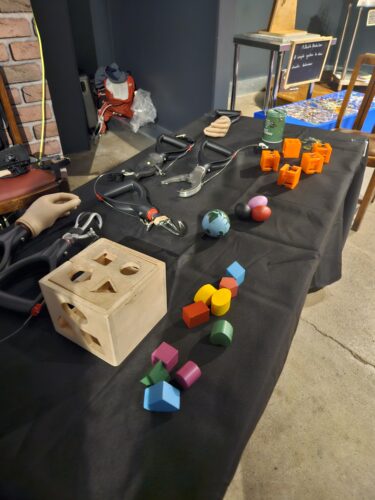
Alix: Visitors were met with a series of tables which walked them through the somatosensory system. They began by racing cars up sensory nerves to learn more about the speed that signals travel. They looked at microscopic cross-sectional images of nerve fibres. They felt how hairy parts of their body (back of hand) are less able to feel sensations than the palm of their hand.
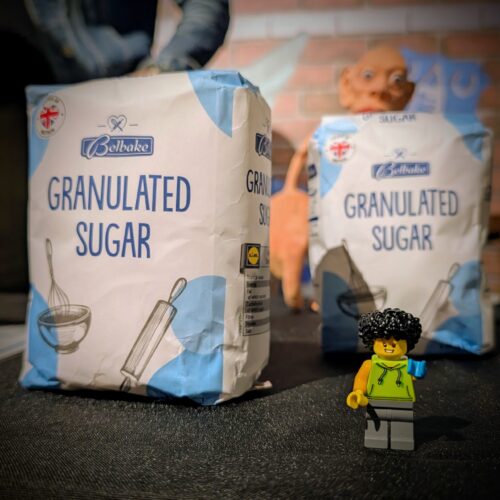
They interacted with pieces of metal which changed temperature to understand how we sense temperature changes. They learned about the sensory homunculus. The felt a ‘wet’ sensation from different temperature cubes (who hasn’t struggled to work out if their washing is cold or wet?). They picked up deceptively light packs of sugar to learn how we work with proprioception (an understanding of where our joints are in space). Then they came to us to have a go at not crushing our light up cubes with a variety of different body-powered prosthesis simulators. Each of which is controlled by a cable attached to a harness around the shoulder.
Q: How would you describe the benefits of this type of activity to the public and to you and your colleagues
A: I think there are benefits in terms of creating new collaborations with other research teams that you might not have worked with otherwise.
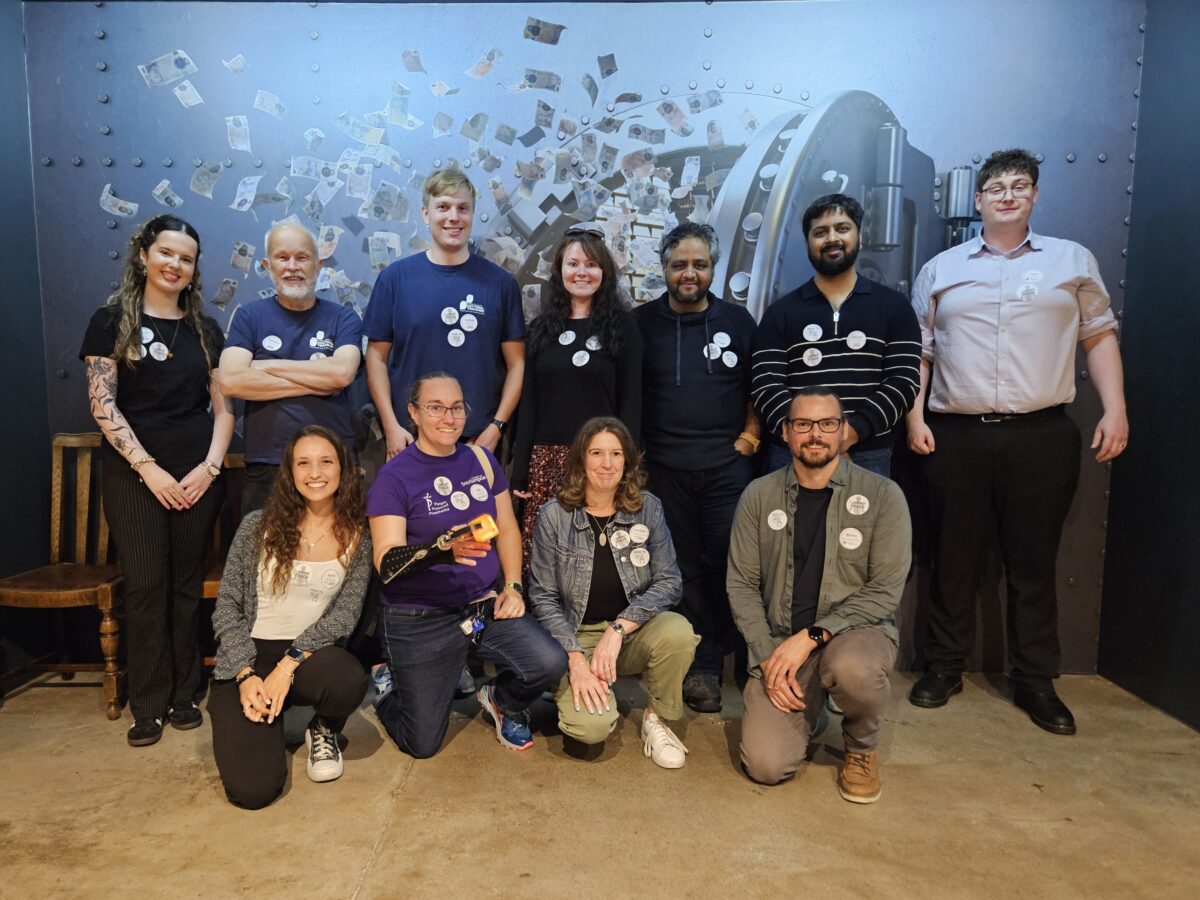
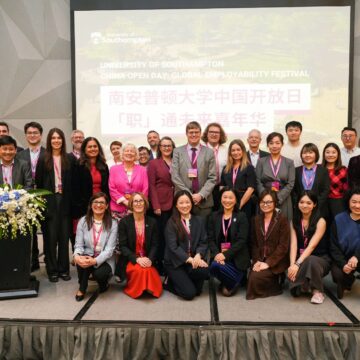
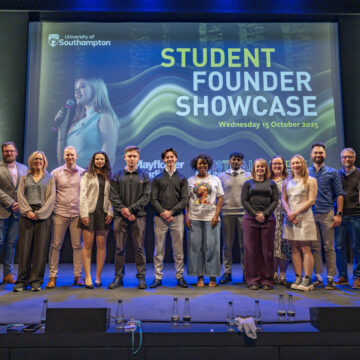
Dr Alix Chadwell (front row, second from left) pictured with academics she worked with at Liverpool BSF
There’s also something, especially within my field, around raising awareness of how things work with members of the public, so that they have a better understanding when they encounter someone who uses a prosthetic device.
One of my favourite parts of the evening was when a three-year-old, who had come with his mother, joined us in squeezing one of our light- up cubes. We were doing this using a prosthetic hand, and he was taking things out of my hand, and putting something else in it, but still interacting with this prosthetic hand. And for me, aspects like that can really help familiarise someone with something that might seem otherwise daunting or scary.
Also, I think prosthetics can be misrepresented by the media who often try and make them sound big, shiny, impressive and that the NHS won’t give people the devices that they deserve and need. I think that can be tricky in some instances because people assume that the shiniest thing is the best thing for them. So I think public engagement activities like this can help demonstrate that it’s not just the big shiny objects that are of value and that some people might prefer to use a more basic device.
Q: What would you say to academics who are thinking about submitting an idea for next year’s BSF (to be hosted by the UoS) and who feel a bit daunted by it?
Alix: I think just go for it. I’ve seen people suggest all sorts of barriers…time, finances etc. But the value you get on the day makes it all feel worthwhile. The types of activity I saw were anything from demonstrations of surgical robots to a papier mache mountain with stones sliding down to represent landslides.
It doesn’t matter if you are a PhD student or a professor. We had both at our event and they both had as much fun as each other. If you can’t submit your own application, I’d also suggest joining in with someone else’s. We’ve got a couple of big applications which have gone in from the Faculty of Medicine for the internal call and I’m sure all the lead applicants (including me) are looking for more people to get involved on the day to get a taste of things.
Other opportunities to get involved with BSF:
Award Lecture nominations – Are you, or do you know, an exceptional early career researcher? Follow this SharePoint link to find out more and how to apply.
For full details of upcoming opportunities – including an expression of interest form for people considering running events beyond Southampton associated with the British Science Festival in 2026 please see the British Science Association’s dedicated page.
If you are looking for support, to try out ideas, or for inspiration, don’t forget to check out the Public Engagement with Research unit’s offer of everything from home-grown festivals, through training to Hubs to support collaboration.