Anniversary Fellows granted Royal Society International Science Partnership Fund Awards
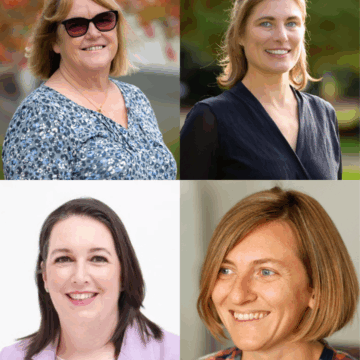
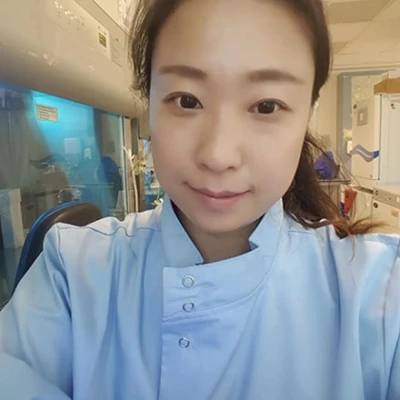
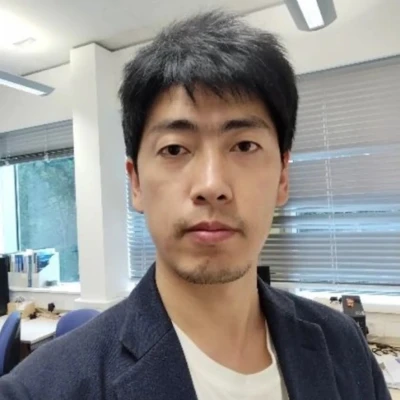
Anniversary Fellows, Dr Yanghee Kim from the School of Human Development and Health within the Faculty of Medicine at the University of Southampton, and Dr Dong-Yang Wang from the Optoelectronics Research Centre within the Faculty of Engineering and Physical Sciences, have both been awarded prestigious Royal Society International Science Partnership Fund (ISPF) Awards worth £225,000.
This significant funding will support collaborative research projects between the UK and South Korea, aimed at advancing innovative therapies for bone cancer (Dr Kim) and at advancing photonic materials for dynamic terahertz light control (De Wang).
The ISPF award is designed to foster international collaboration between researchers and innovators, enabling the delivery of high-impact science that benefits from global expertise. Administered by the Royal Society in partnership with the National Research Foundation of Korea (NRF), the fund supports research excellence, strengthens international ties, and nurtures emerging talent under the theme “Tomorrow’s Talent – Nurturing talent to drive inclusion, research and innovation.”
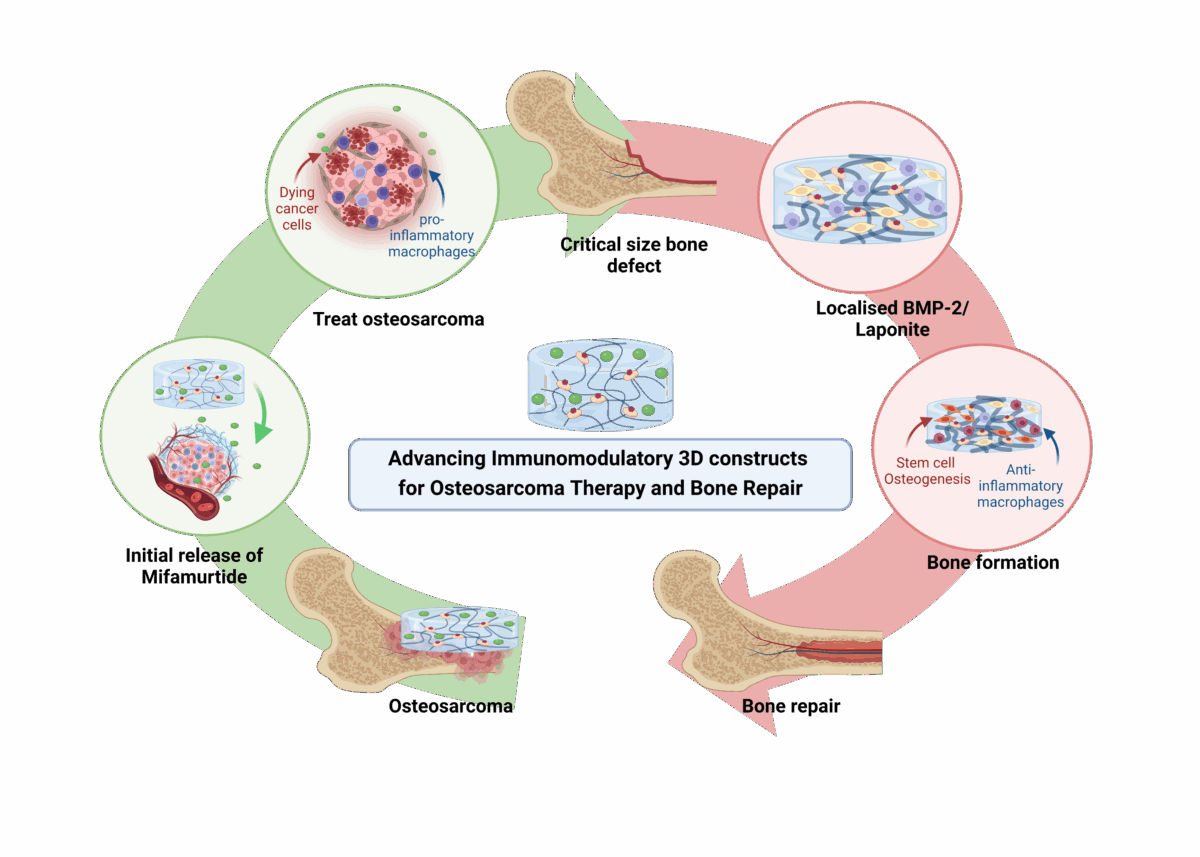
Dr Kim’s project, “Advancing Immunomodulatory 3D Constructs for Osteosarcoma Therapy and Bone Repair: Engineering–Medicine Core Technology Integrated Modelling System”, is one of only five projects selected from over 150 proposals, highlighting the exceptional quality and promise of the research.
The project is a joint effort with Professor Byoung Soo Kim at Pusan National University in Busan, South Korea. It aims to develop a novel 3D-printed biomaterial that simultaneously targets cancer cells and promotes bone regeneration—an approach that could transform treatment for osteosarcoma, a rare and aggressive bone cancer primarily affecting children and young adults.
Project Overview and Impact
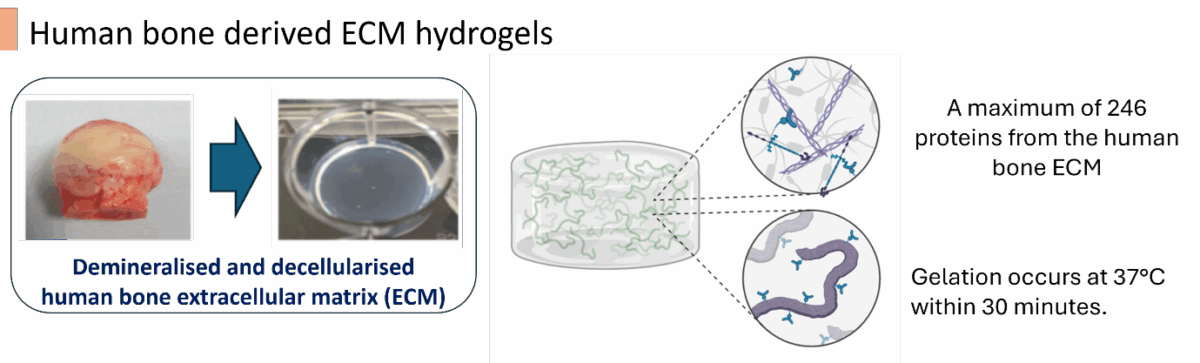
Current treatments for osteosarcoma typically involve surgery and chemotherapy, which often result in severe side effects and long-term disability, with a high risk of recurrence. Dr Kim’s research proposes a dual-function biomaterial composed of natural bone-derived substances that gradually release two therapeutic agents:
- Mifamurtide, which stimulates the immune system to attack tumour cells.
- BMP-2, a protein that promotes bone growth and repair.
The UK-South Korea team will design, fabricate, and test this material using advanced laboratory models, including lab-grown bone and tumour tissues and a pre-clinical system that closely mimics human disease. If successful, the project could lead to more effective and less invasive treatments for bone cancer—ones that not only eliminate the tumour but also restore bone function and improve long-term outcomes for patients.
Dr Wang’s project, titled “Reconfigurable terahertz topological states in gated-graphene meta-devices,” is one of only five projects selected from over 150 proposals, highlighting the exceptional quality and promise of the research.
The project is a joint effort with Professor Teun-Teun Kim at University of Ulsan in Ulsan, South Korea. It aims to develop novel topological photonic metamaterials to achieve highly robust and real-time reconfigurable terahertz light signals. This project will leverage the topological method in photonic crystals/metamaterials design and utilise the non-Hermitian physics for light energy redistribution. The topological devices to be delivered will enable the fast control on terahertz signal generation and channel switching, which make the core functionalities in the next generation (6G/7G) wireless communications.

The awards reflect both the high calibre of Dr Wang’s and Dr Kim’s research while also reinforcing the University of Southampton’s commitment to global collaboration and pioneering photonic technology innovation and medical innovation respectively.