Queen Elizabeth Prize: Meet colleagues behind the success
Congratulations to the UoS researchers, senior leaders and students whose pioneering rail research has won royal recognition and scooped the Queen Elizabeth Prize, the highest national institutional honour!
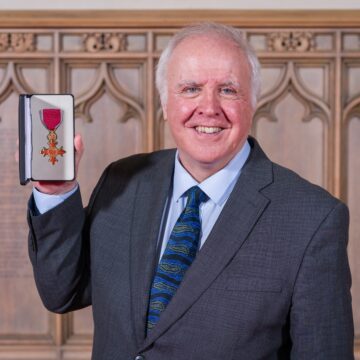
The Vice-Chancellor, Professor Mark E Smith and Professor William Powrie received the Queen Elizabeth Prize for Education from the King and Queen on behalf of the University in a royal ceremony at St James’s Palace in London, on 24 February.
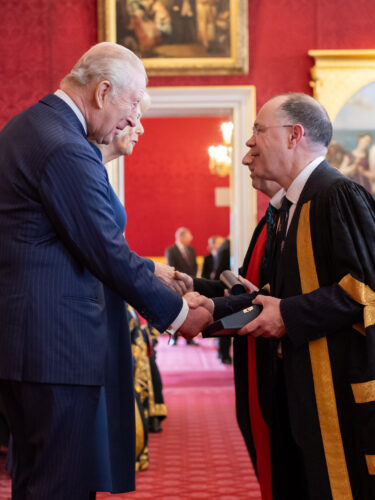

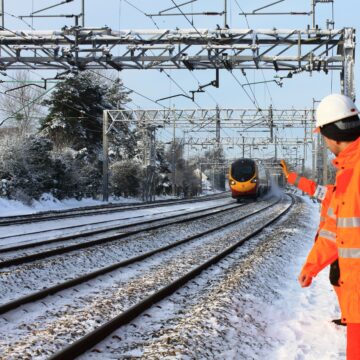
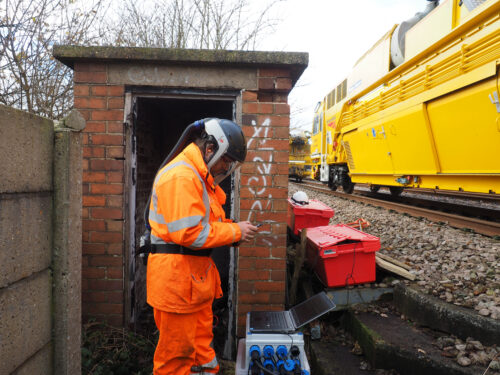
The prize recognises over two decades of groundbreaking rail research that has led to billions of pounds of public money being saved and improved the resilience of the UK’s ageing rail network. The award is for its pioneering, decades-long research into strengthening the resilience, efficiency, and sustainability of the UK’s rail network.

In his mid-term message to all staff, the Vice-Chancellor, Mark E Smith said:
“There are many who contribute to and support our rail research across the University and my warm congratulations go to every person who has played a part in this outstanding achievement.”
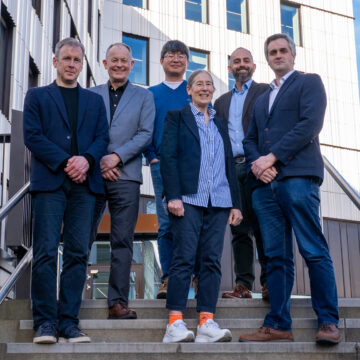
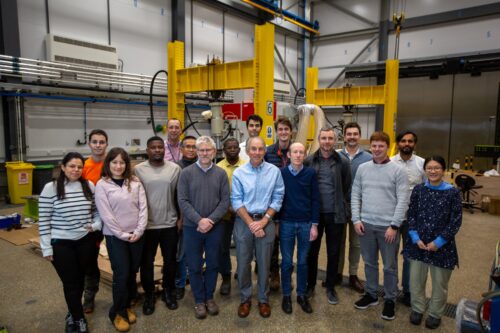
Engineers, researchers and students from the UKCRIC (UK Collaboratorium for Research on Infrastructure and Cities) National Infrastructure Laboratory in Southampton, the Tony Davies High Voltage Laboratory and the Institute of Sound and Vibration Research all played their part in conducting the research.
Their research has been driven since 2003 by William Powrie, Professor of Geotechnical Engineering and a Fellow of the Royal Academy of Engineering.

Professor Powrie said: “Receiving this prize is a huge moment for us. It’s wonderful recognition of the work we do at Southampton. I’m extremely proud of my colleagues, and of the work we have done and continue to do to improve and safeguard railways.”
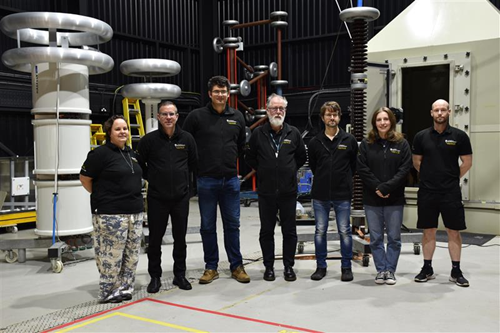
The team at the Tony Davies High Voltage Laboratory (TDHVL) at the University is also part of this group of engineers who are conducting world leading research into ensuring the UK’s railways are electrified, future proofed and resilient to climate change.
Paul Lewin, Professor and Head of Electrical Power Engineering said:
“The TDHVL is a unique facility, which acts as a commercial testing house, whilst supporting experimental and theoretical research as well as student project work. Our long-term collaboration with Network Rail has saved millions of pounds of public money, which will only increase with further electrification of the UK railway system. We have a strong team who all work closely to produce excellent research. Our work with Network Rail is an excellent example of our range of capabilities as well as the impact of our work.”

Staff Matters has been talking to some of the engineers, researchers and students whose work led to the award and you can see pictures of some them at work below.
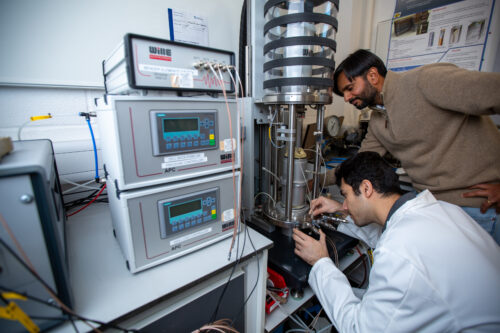

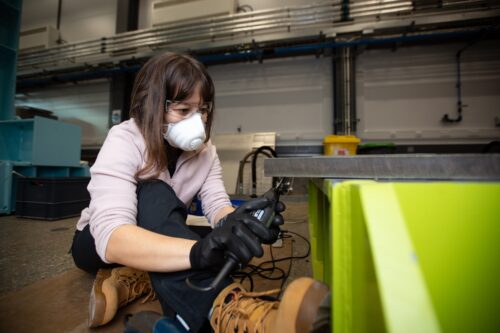
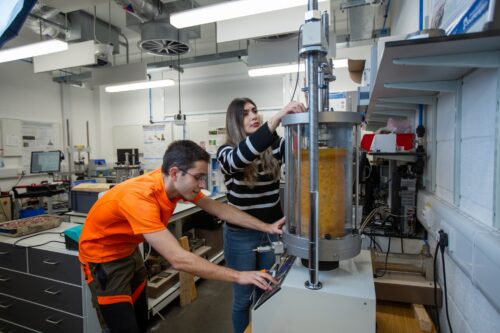
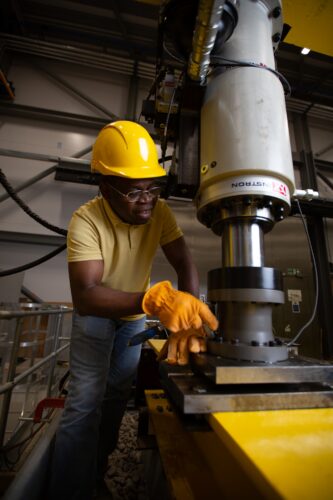
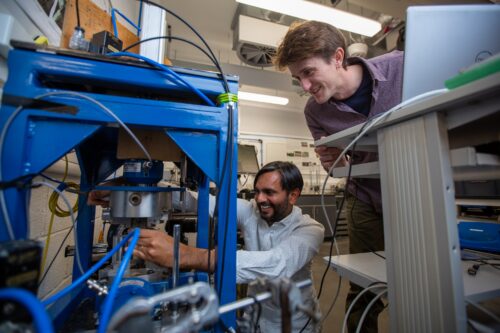
The dedicated and passionate staff and students who have contributed to this research expressed their pride at receiving the award saying it’s proof that their work is making a real-world impact.
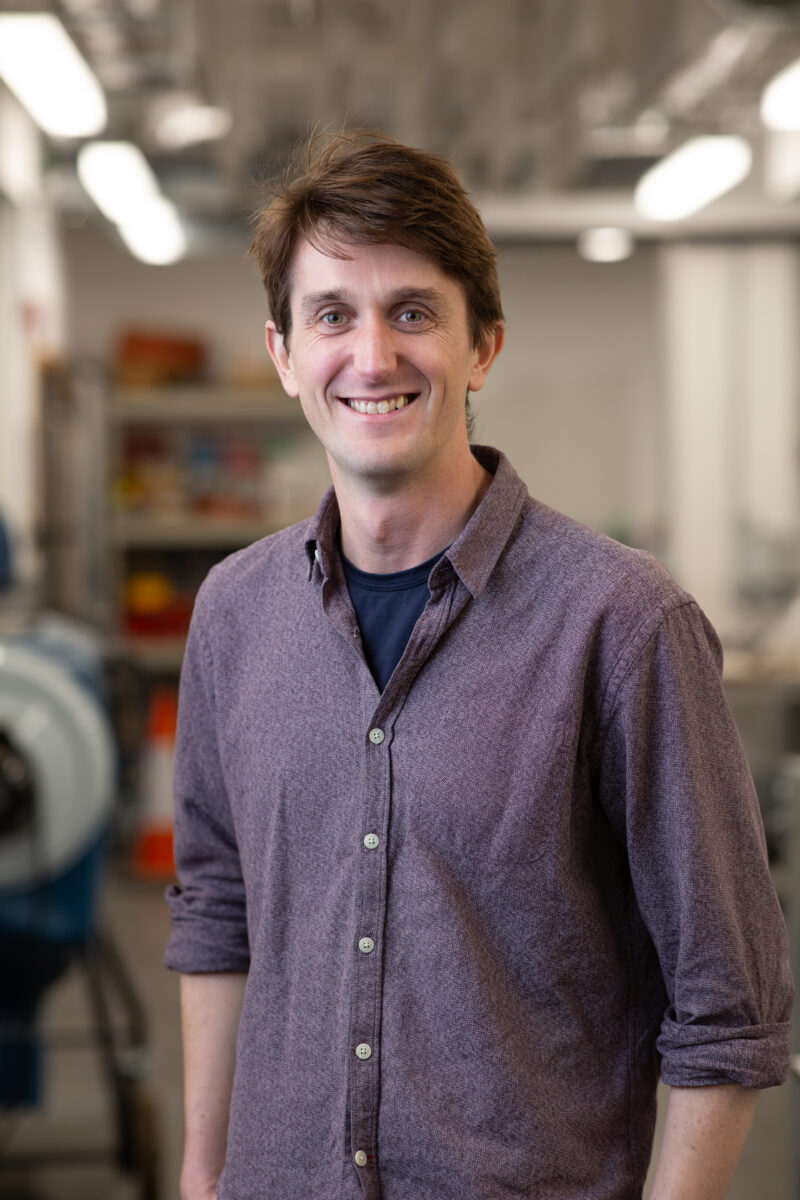
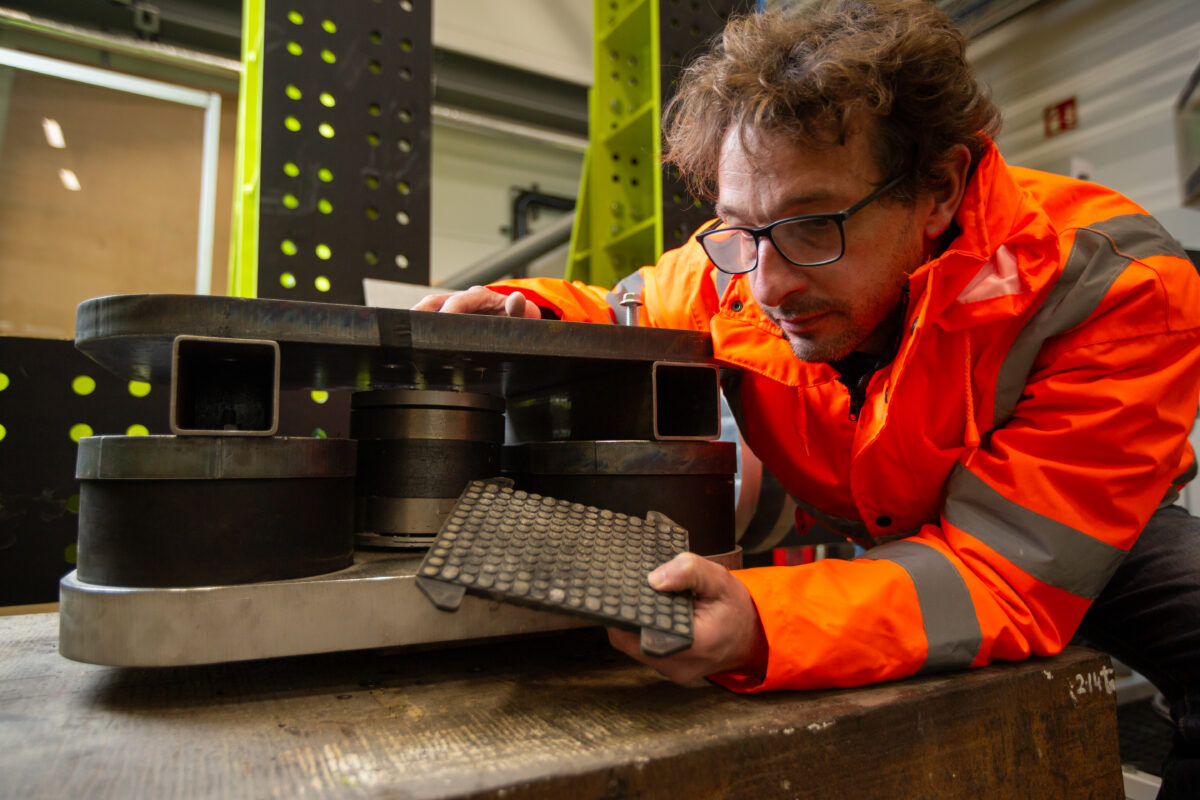
David Milne, Senior Research Fellow, Civil, Maritime and Environmental Engineering
“It was a delight to see the University recognised for its contribution to Railway Engineering. From studying for my doctorate at Southampton then moving into a staff role, using measurement and analysis to improve understanding of Railway Track performance and address maintenance challenges, I’ve been fortunate to know the quality and variety of work produced here. I am proud to be a part of it.”
Martin Toward, Senior Engineer, ISVR Consulting
“I’ve been working with David Thompson and colleagues in the ISVR for over 25 years to reduce noise and vibration from railways and make trains a bit more comfortable. What’s stood out is how the rail work has pulled together the university (and industry) to solve real problems. Highlights include our HS2 track modelling, which saved £65 million in noise mitigation, and our RSSB study on train horns, which is now improving safety.“
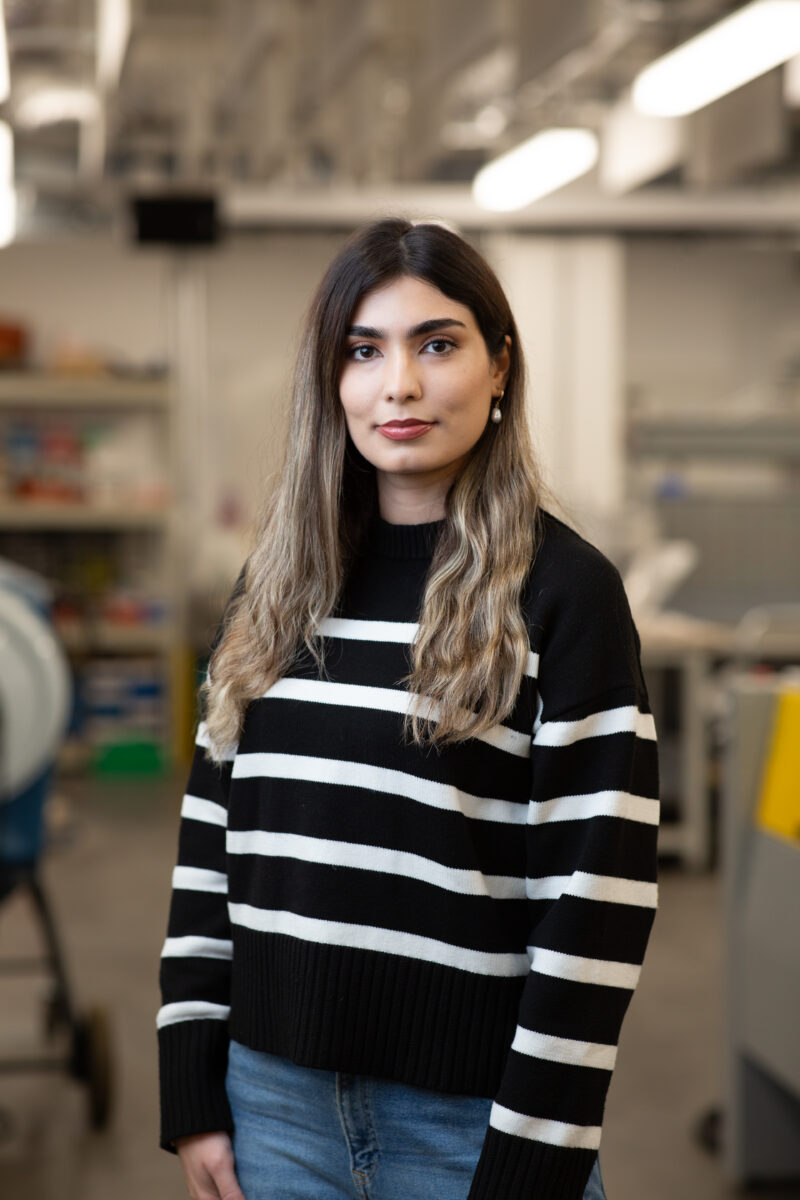
Saba Ghassemi, PhD Student
“Much of the UK’s rail infrastructure is over a century old, facing severe corrosion and carrying heavier loads of modern trains. My research tackles this by combining physical experiments and advanced computer modelling to determine how these ageing structures can continue to operate safely. I’m passionate about this work because we are not just doing research but actively safeguarding the network to ensure these engineering feats stand strong for future generations. Evaluating infrastructure that millions rely on is a massive responsibility, but that challenge drives me. This award is a motivating confirmation that our work is making a tangible, real-world impact.”
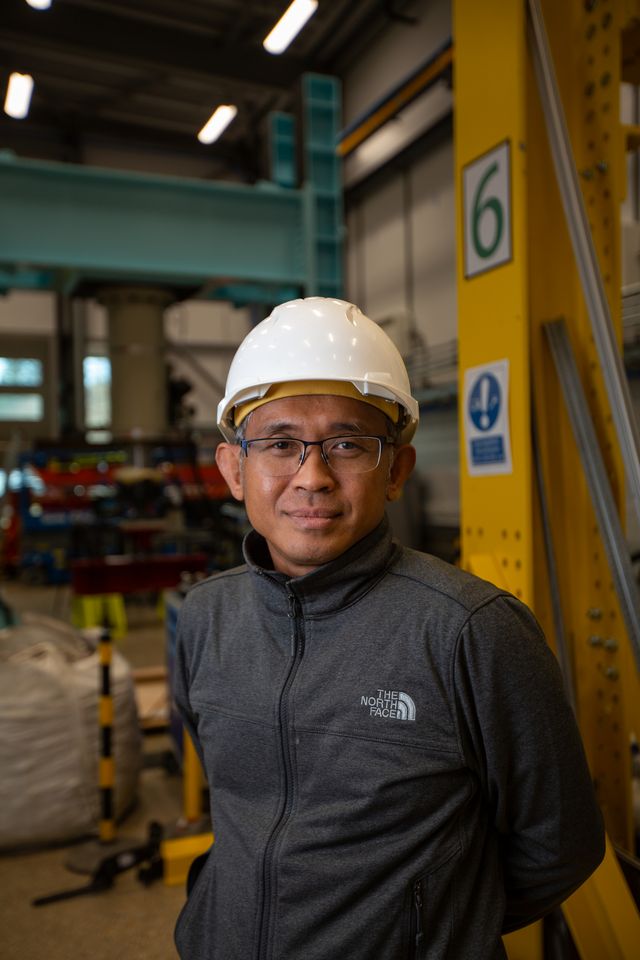
Taufan Abadi, Research Fellow, Civil, Maritime and Environmental Engineering
“Being known as a Geotechnical Engineer has always been my ambition. It has been a great pleasure being part of the Railway Infrastructure team at University of Southampton since the completion of my PhD. Being able to use the University’s amazing facilities to solve and offer solutions to real life problems is quite amazing. I am really pleased to see some of our research outputs being implemented as policy decisions in infrastructural developments worldwide. I am also delighted with the contribution and support rendered to others taking their next steps in railway and geotechnical engineering related research.”
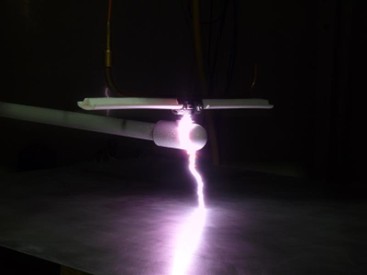
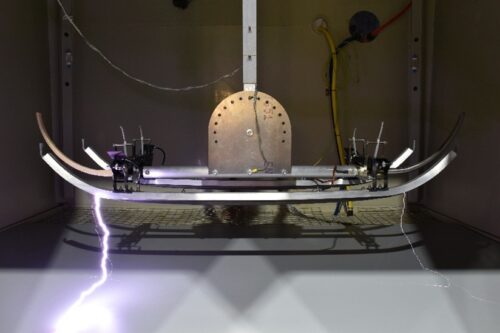
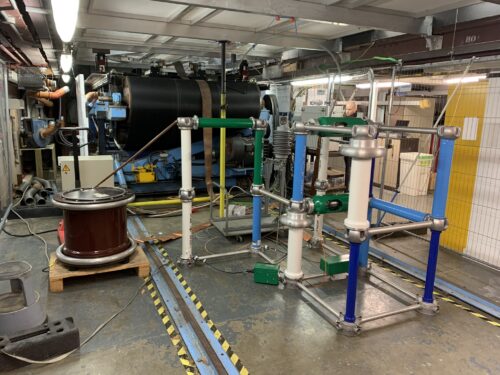
The Tony Davies High Voltage Laboratory conducts rigorous testing to ensure equipment can withstand both operational and fault voltages. They also look at the distance required between a piece of electrical equipment on the UK rail network and either the train roof or simulated infrastructure (buildings or bridges). Different electrical components or insulating materials are put into the circuit, the tests are repeated and the results are analysed. The goal is to assess whether a component remains safe under daily usage and emergency conditions.

Lauren Deeth-Kelt, High Voltage Research Fellow
“The Tony Davies High Voltage Laboratory specialises in testing various types of technology, including rail technology from insulating paint to pantographs. My third-year individual project focused on mechanical arms installed underneath bridges designed to support the wires that power electric trains. Technology like this can be retrofitted to pre-existing overhead structures removing the need for demolition. Reducing uncertainty can save millions of pounds and minimise transport disruption making projects like these uniquely valuable.”
Neil Palmer, TDHVL Laboratory Manager
“The Tony Davies High Voltage Laboratory is proud to have been working with Network Rail since 2010. We conduct world leading research into ensuring the UK’s railways are electrified, future proofed and resilient to climate change by developing the testing to determine the electrical breakdown distance, which has been used to massive benefit in the UK rail network including a £30 million saving at the Cardiff Rail Intersection.”
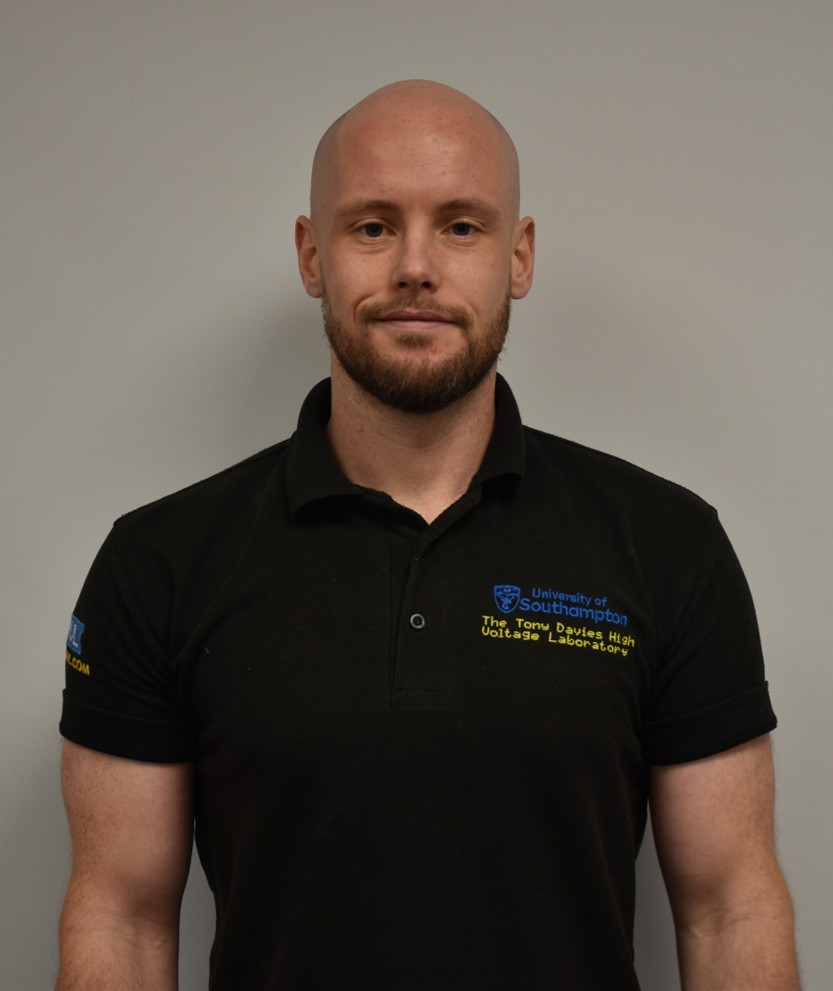
Charlie Reed, High Voltage Test Engineer at the Tony Davies High Voltage Laboratory
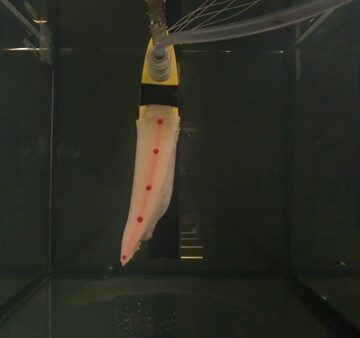
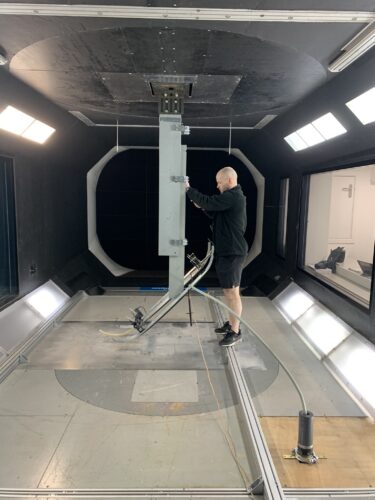
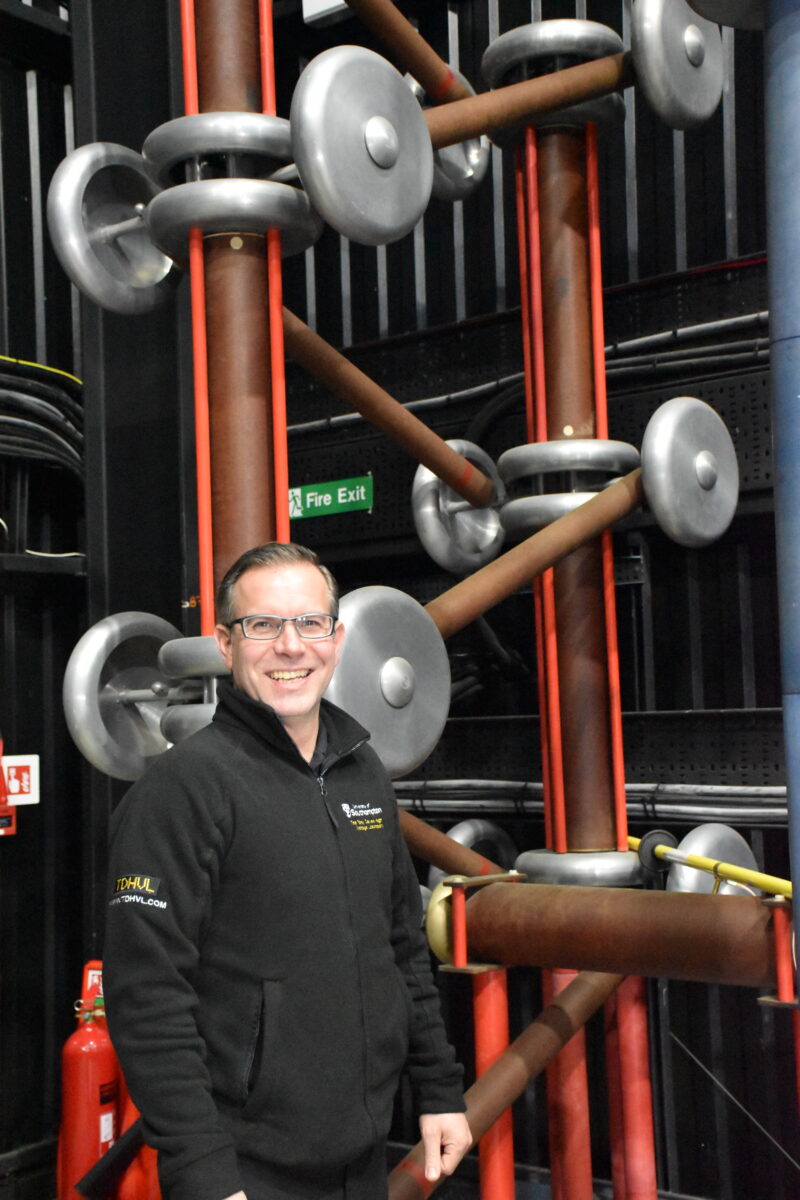
“I have really enjoyed working on the research projects undertaken with Network Rail. Since joining TDHVL in 2019 as the Test Engineer I have been involved in several projects, with each one giving a greater understanding of the behaviour of overhead line equipment in a range of circumstances. The project that stood out for me most was one of our most ambitious projects. We had to reproduce a miniature version our test facility in a confined space under the wind tunnel. The idea was to replicate a range of tests completed in our lab, in the RJ Mitchel Wind Tunnel at University of Southampton, to establish whether airflow passing over a moving train would affect the electrical characteristics of the pantograph.”
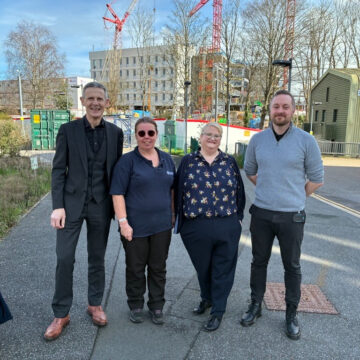
The Brand Communications team behind the submission
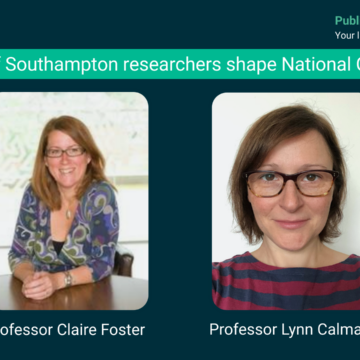
The award wouldn’t have been possible without the work of Claire, Mike and Michelle in the Brand Comms team, within Global Recruitment, Admissions and Marketing. They worked closely with William and Rod Anderson (Senior Programme Manager for the National Infrastructure Lab) to create a detailed 10-page submission, outlining the strengths of the world-leading rail research. Combining their expertise in science communication, editorial judgement and project management, the team translated this technically complex research area into an engaging submission that showed the impacts of the work at its best.
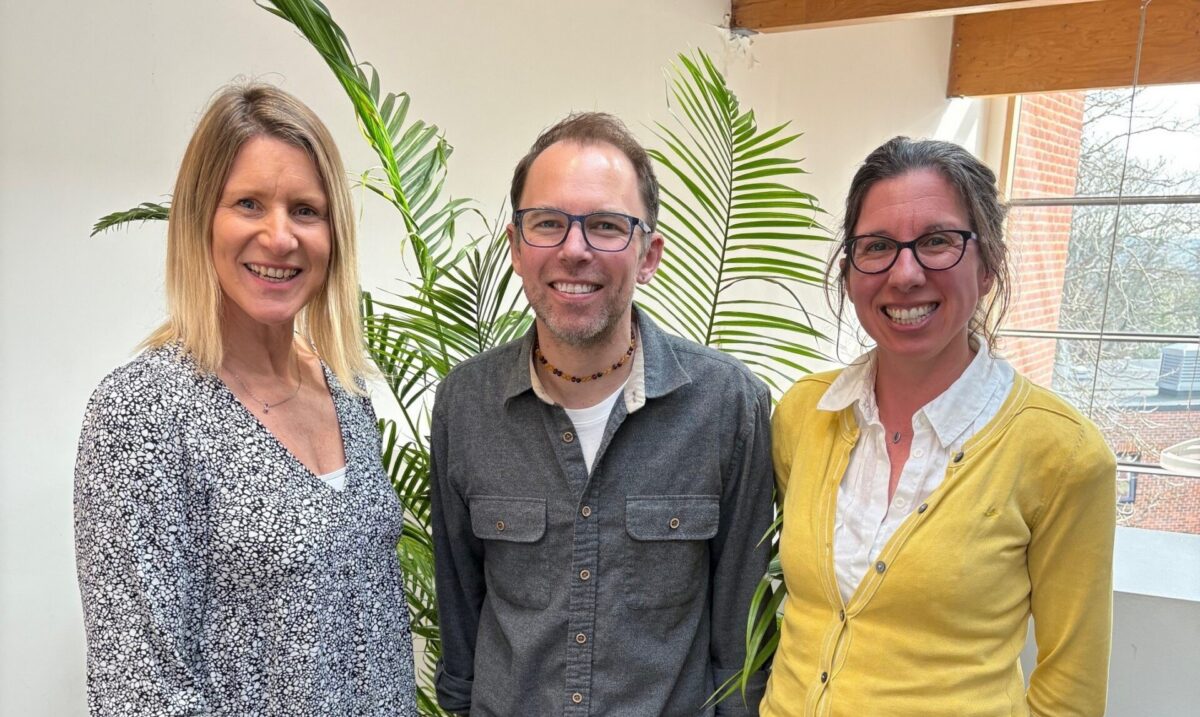
The Brand Communications team commented:
“It was a real pleasure to work with William and Rod and learn more about their important and fascinating work. One of the best parts of our job is meeting colleagues from across the University and exploring and communicating their research to a wider audience. We were delighted to hear about the positive result, which is so well deserved!”
Further information about our rail research:
William Powrie talks about the Queen Elizabeth award and his career in this video.
Research Highlights: Engineering resilient rail embankments; Advancing affordable rail electricfication; Monitoring rail track health with smart sensors.
In Rail Director February 2026 by Rail Business Daily – Issuu William Powrie explains how he came to be in rail research
Share this article on social media: