An interview with Professor Abhilash Nair, Director of Research and Enterprise at UoSD
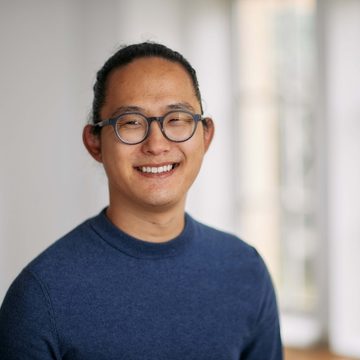
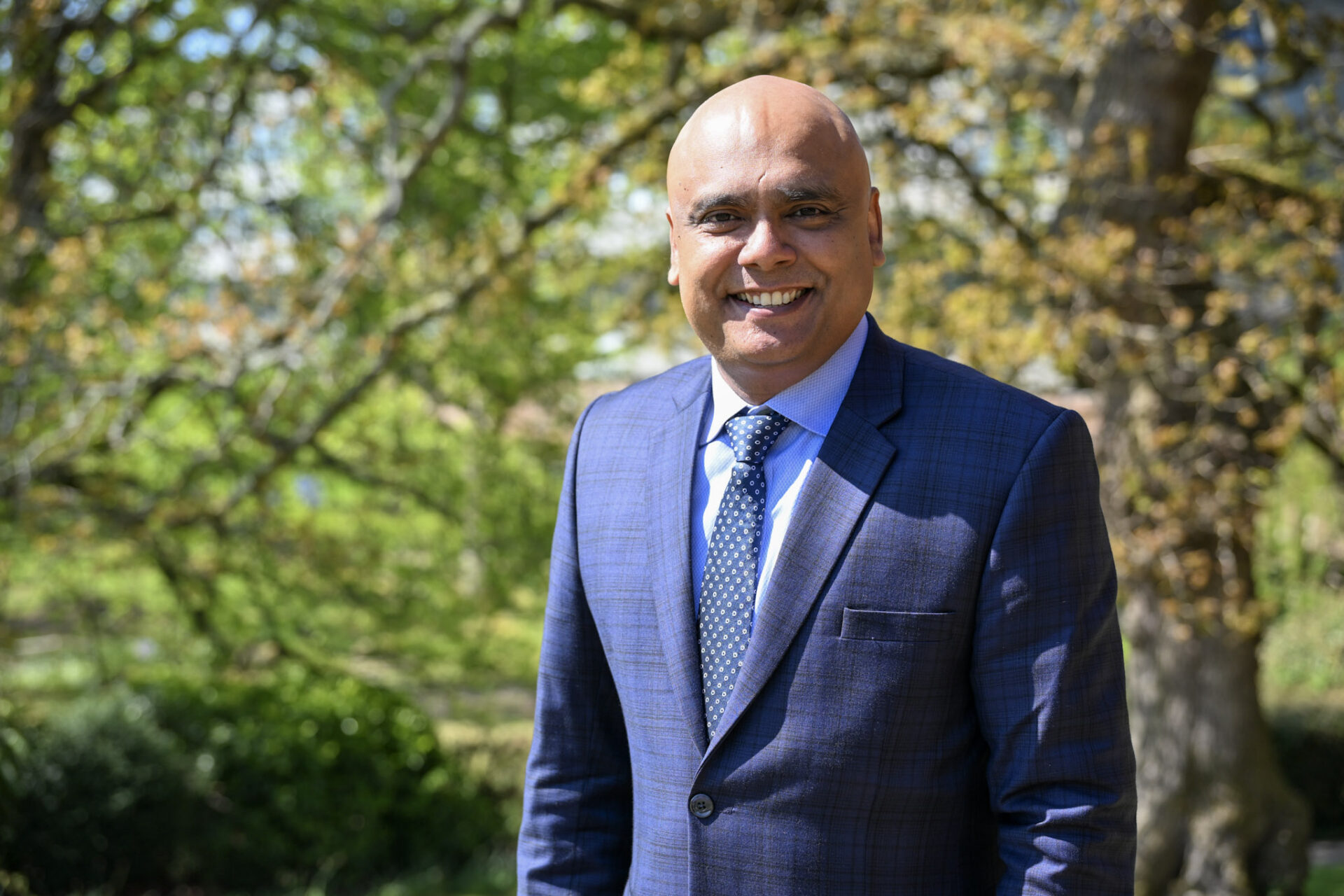
Earlier this year, Professor Abhilash Nair joined University of Southampton Delhi as the inaugural Director of Research and Enterprise. Staff Matters caught up with him during one of his visits in Southampton to find out more about his experience, impressions so far, and hopes for the future.
Staff Matters: Tell us a bit about yourself and your career before you joined us.
Abhilash Nair: My academic background is in internet law and regulation, focusing on child safety online, online harm, and data privacy. Before joining Southampton, I was Associate Pro-Vice-Chancellor for Business Engagement and Innovation at the University of Exeter, working on aspects ranging from diversification of research income to collaborative research, consultancy, and innovation.
I am the Chair of the British and Irish Law, Education and Technology Association (BILETA). I am also Editor-in-Chief of the European Journal of Law and Technology, among other editorial board roles.
SM: What drew you to University of Southampton Delhi?
AN: For a long time, I have been passionate about disparities in the quality of educational provision and research across universities in India and other parts of the developing world. There is cutting-edge research coming from India, with particular strengths in areas such as space, technology and health, yet that excellence is concentrated in a handful of institutions, such as the Indian Institutes of Technology (IITs) and the Indian Institute of Science. We have a golden opportunity to bring the benefits of our research to various communities in India, while building capacity and translating the excellent work we do at Southampton for the wider societal benefit.
I found it very attractive that this would not be a transnational education campus focused only on teaching. We want to embed the Triple Helix approach, bringing together education, research, knowledge exchange and enterprise. At the highest level, India and the UK have recently agreed to collaborate in key areas including AI, technology, semiconductors, biotechnology, quantum and critical minerals under the Technology Security Initiative, as well as the Tech & Innovation flagship of the UK-India Vision 2035. There is a great deal we can co-create and innovate on in India.
I also have roots in India, as my family is originally from there, so there is a personal connection. It is a colourful, vibrant and booming country. You can feel the excitement in workplaces across the country, and the working population is very young. I saw this as a strong opportunity to make a difference and to be part of history as the first international university campus under the University Grants Commission regulations in the country.
SM: What are your initial thoughts on the campus research strategy?
AN: Building on our broader Campus Strategy, our initial research strategy has been co-created through consultation with colleagues and stakeholders. We have already identified our strategic thematic areas: AI & Emerging Technologies, Sustainability, and Society, Culture and Health. Corresponding research groups have also been set up, and the Sustainability Resilience Institute is now launching an India Hub based at our campus. We are also working towards establishing an interdisciplinary research institute, which will bring together researchers from across our global campuses under the auspices of an external facing entity physically based in India.
We need to bring research excellence into everything we do: high-quality published outputs, impactful projects, and our work with partners outside the institution. It’s also crucial to support colleagues with mentoring and training, and develop accessible routes for them to seek support with high quality research outputs and grant applications.
Our strategy should be understood within a wider framework. The research excellence we bring must translate into societal benefits. The communities we serve in India should feel assured that we are there to give back by applying our knowledge and translating research into impactful projects that help address pressing regional and national challenges.
I do not see the University of Southampton Delhi in isolation from the University of Southampton – we are part of the same family. Southampton has worked in India for decades, and the Delhi campus gives us a platform to make that work more visible at a greater scale. The strategy therefore includes initiatives that bring the campuses together.
The next step is of course to turn this into specific actions. While that work is in progress, I’ve been delighted to see a promising research environment already taking off, and really look forward to it producing world leading and globally impactful research.
SM: Reflecting on your time at UoSD so far, how would you describe your first few months in the role?
AN: I think ‘excitement’ would be a great word to describe my experience so far. I have noticed that there is considerable interest across the market about Southampton’s arrival. There is a lot of potential to develop collaboration with industry partners across a range of sectors to co-create knowledge. The government is also keen to work with academic institutions to address pressing societal problems, so I feel like there is a great deal of potential to make a real difference through our Triple Helix approach and civic mission.
I also see a great deal of enthusiasm among colleagues in Delhi. Many are early in their careers and are looking forward to developing the University’s research profile. I really value that aspect of my role, and look forward to supporting others to grow as scholars and progress in their careers. Enthusiasm describes our students well too – our first cohort of students have been incredibly engaged, and it’s been a pleasure to see them learn, grow, and make the new campus their own. It will be a genuine pleasure to see some of them graduate in December at our first ever UoSD Graduation.
Overall, I think we have successfully begun building a strong community in Delhi. We can improve and grow, of course, but we have made a great start, and I am proud of what has been achieved so far.
SM: Finally, your first Diwali as part of our community is coming up. What is at the front of your mind ahead of this special festival?
AN: Diwali is a wonderful celebration of light, hope, and togetherness. As we celebrate the festival, I am particularly conscious of the exciting journey we have embarked on at our India campus. We have an opportunity to build something transformative, bring people together, and make a lasting contribution through research, innovation, and education. I wish everyone celebrating a very happy and joyous Diwali.