
Game Poems: Challenging traditional boundaries between art forms
Game Poems, an online literary magazine founded and edited by Winchester School of Art’s Jordan Magnuson, launched its first issue in January.
Dedicated to exploring the artistic and poetic potential of short-form videogames, Game Poems is intended for readers and players across independent games, digital literature, poetry, and game studies. The magazine is distributed freely online and shared through academic networks, festivals, and arts events, as well as on mainstream gamer-facing platforms such as Itch.io and Steam.
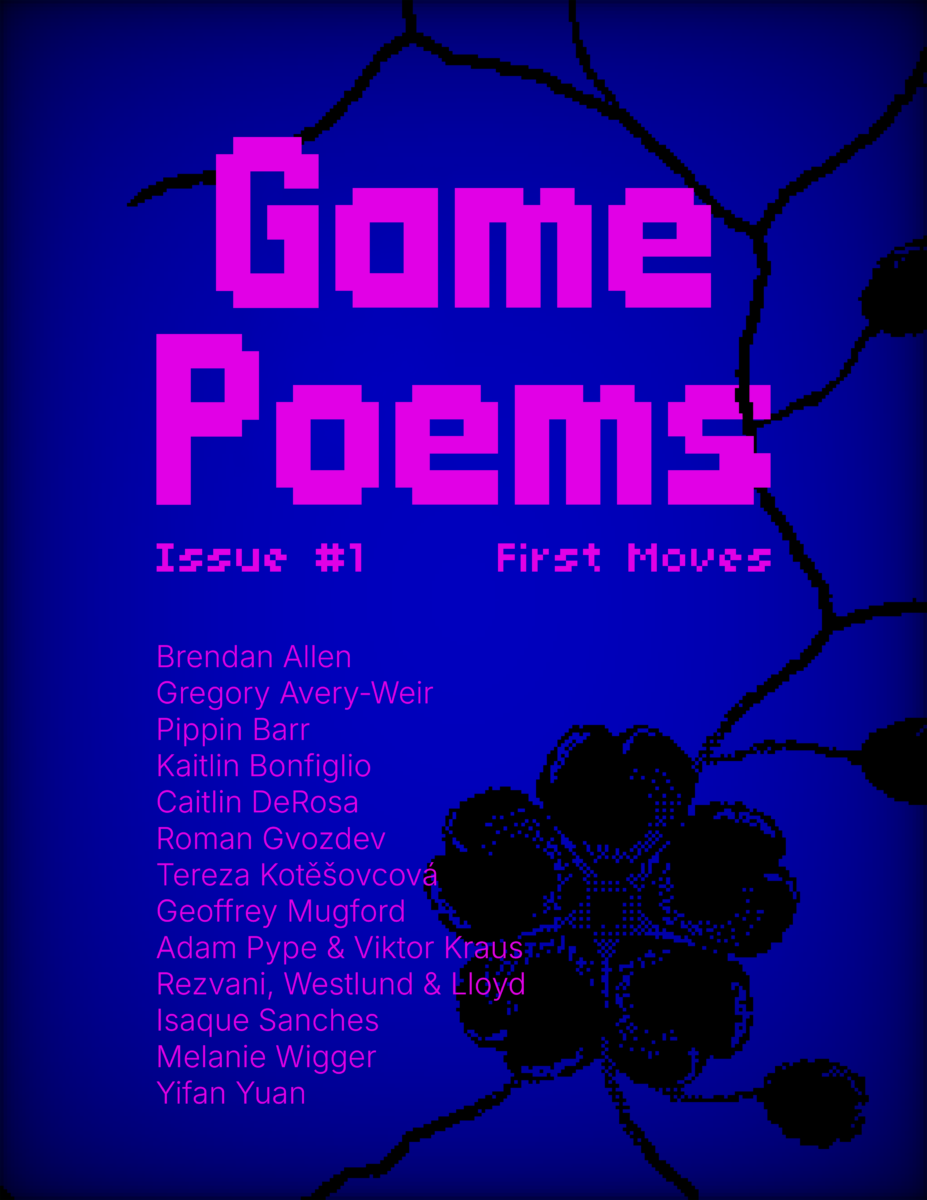
Issue #1
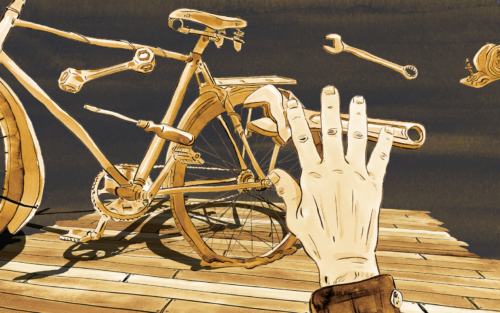
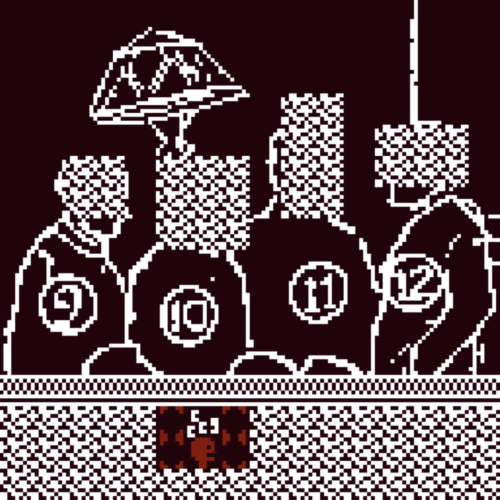
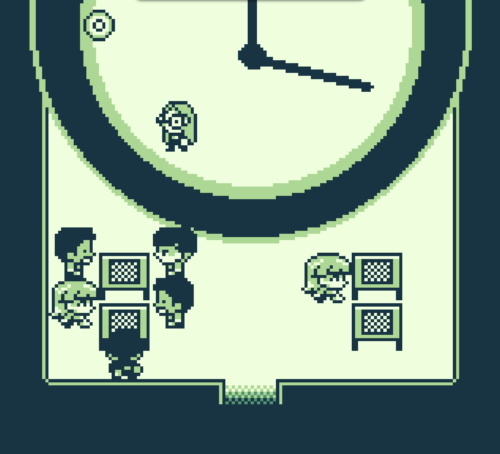
Inside you’ll find a collection of new open-access game poems all following the theme of ‘First Moves’.
The featured games were made by an international group of contributors including poets, scholars, students, indie developers, and lead designers at AAA game studios – each exploring different perspectives on what a game poem might be. Works were selected through an open call and peer review process.
Research and community activity around Game Poems will continue to feed directly into teaching at Winchester School of Art, including the undergraduate Games Design & Art module “Games as Poems,” which explores videogame making as a form of poetic and artistic practice.
Staff Matters asked Jordan Magnuson what the magazine means to him:
Game Poems is a very personal project for me, because it grew directly out of my own game-making practice over many years. I’ve long been interested in small, personal videogames that capture moments, feelings, or encounters from everyday life, but there were few shared frameworks for understanding that kind of work.
Approaching games through a poetry lens was a turning point for me: it offered a way to think seriously about short, reflective games that aren’t driven by challenge or spectacle. Game Poems emerged from that perspective, as a way of creating space for this kind of work, and a way of bringing together a growing international community exploring game making as a poetic and artistic practice.
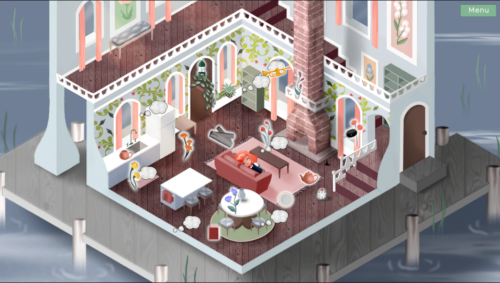


Visit GamePoems.com to learn more about the project
Share this article to social media: