Clean Water South (CWS) is an open, collaborative network designed to tackle the complex and interconnected water challenges facing the Central South – the region has a very high population density, relatively low rainfall, ageing and overstretched infrastructure, and is home to 85% of the world’s chalk streams; rare ecosystems that require exceptionally careful protection. Pressures from increasing demand, pollutants both historical and emerging, and the accelerating impacts of climate change intensify these challenges year by year.
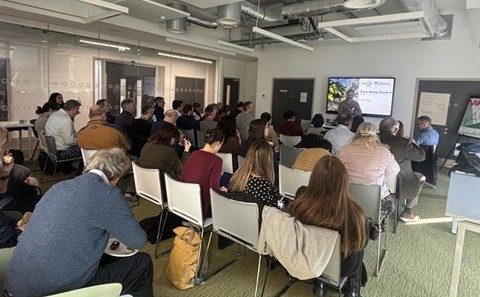
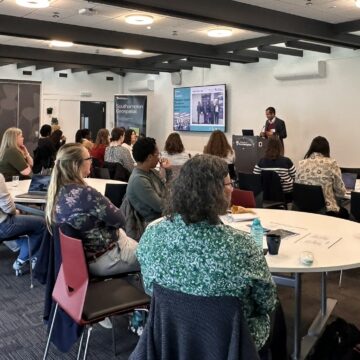
CWS was developed by colleagues from the Future Towns Innovation Hub after listening to the local community about challenges they face and what differences they would like to see. To date they have delivered four major workshops, each bringing together over 50 participants, helping to build momentum, shared understanding, and a pipeline of tangible outputs.
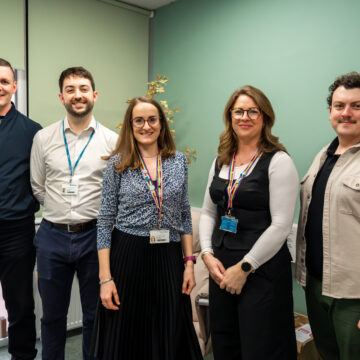
Staff Matters heard from three colleagues who are key to the work behind Clean Water South:
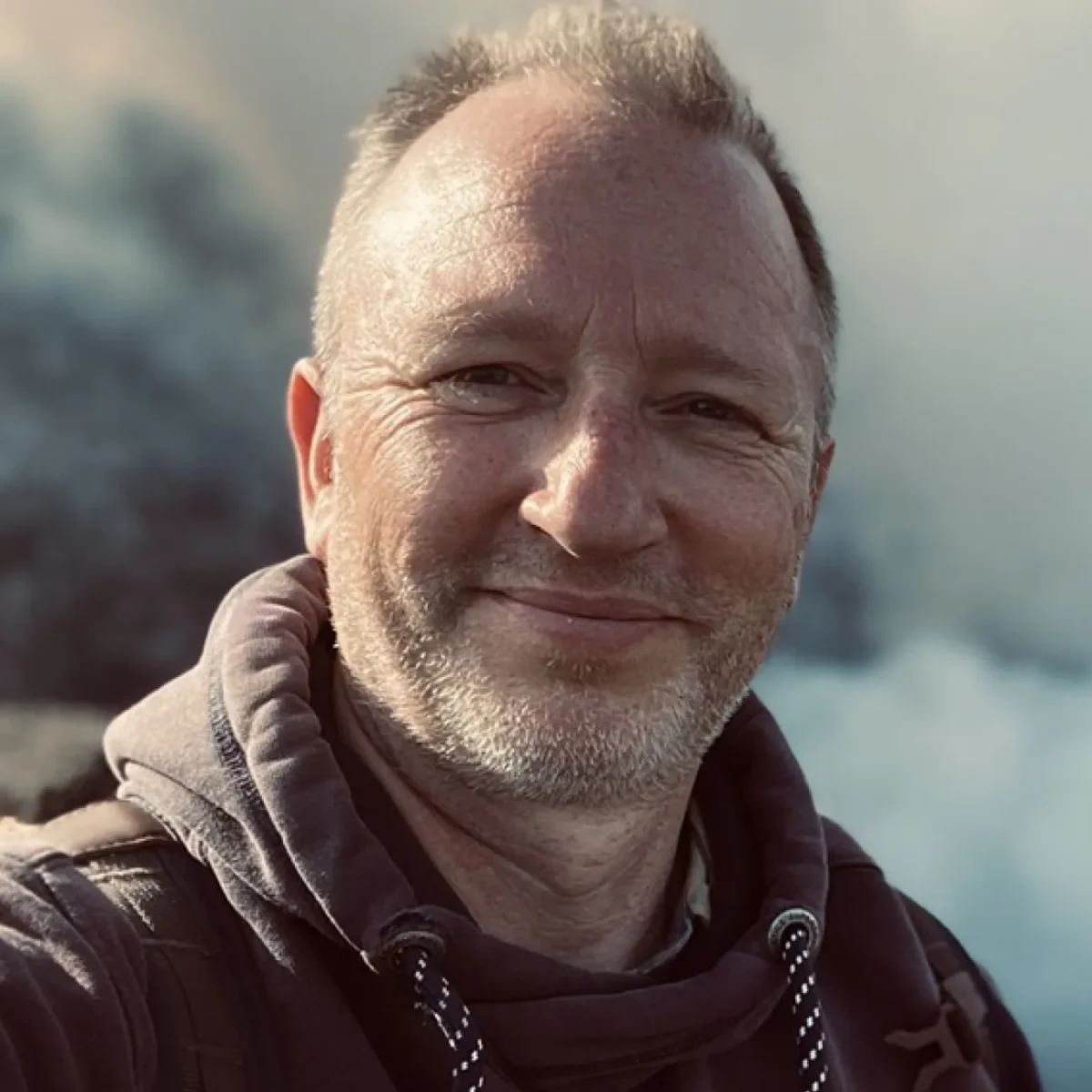
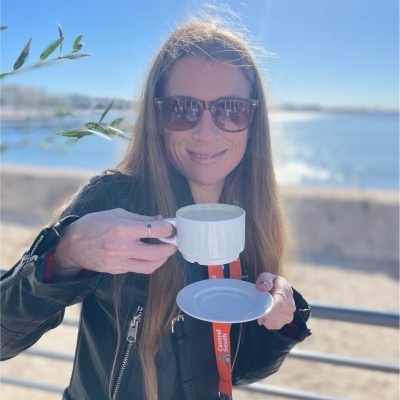
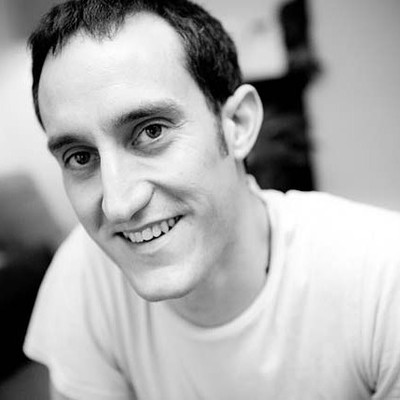
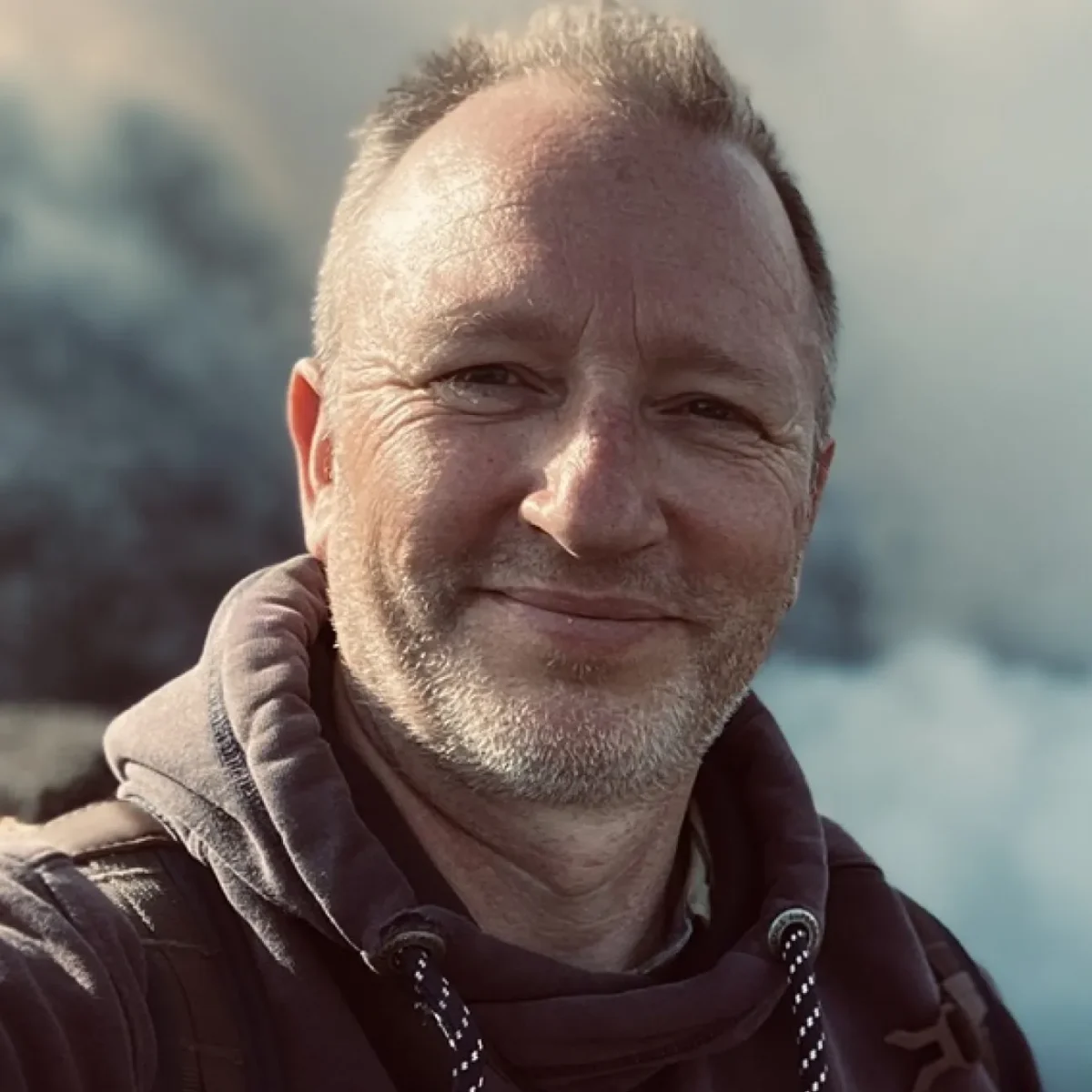
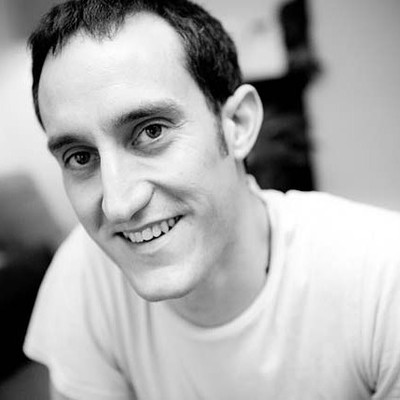
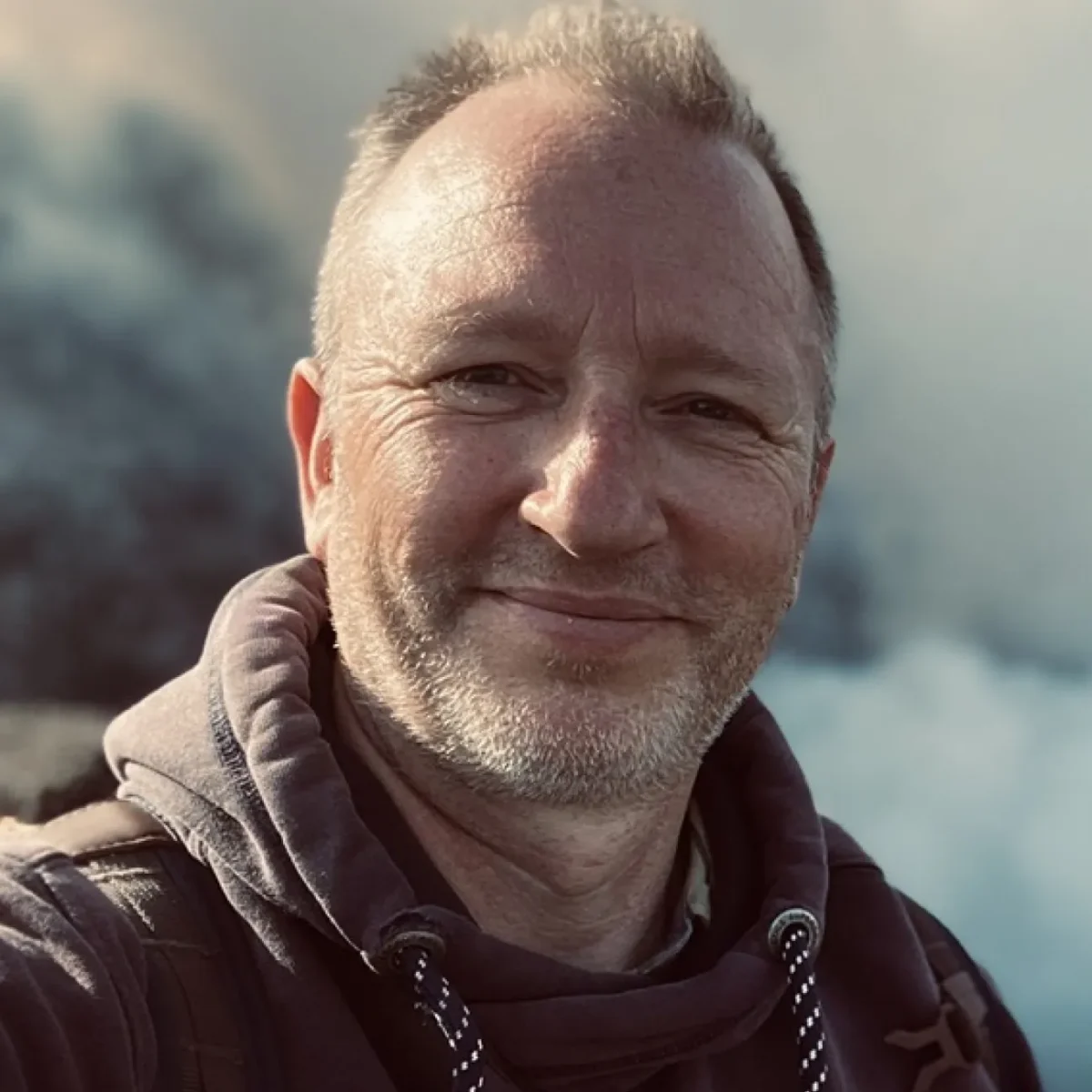
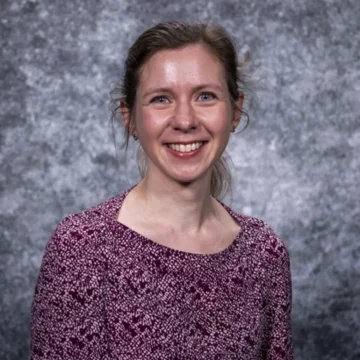
Professor of Ecohydraulics and Director of the Future Towns Innovation Hub, Paul Kemp, helps to develop the strategy for Clean Water South going forwards, with the support of the stakeholder steering group; Ruby Jackson, Operations Manager – Enterprise, project manages the network, organising and facilitating everything from weekly comms to event organisation and content; and Thomas Rushby, Senior Enterprise Fellow, facilitates activity and collaboration within the CWS network which involves helping design and run events, as well as assisting members’ access and use of the online collaboration platform.
What is something memorable you’ve seen come from the workshops that CWS has delivered?
Paul Kemp:
The coming together of people who historically may have had diametrically opposed and sometimes entrenched positions. For example, representatives from “Surfers Against Sewage” discussing in a very positive way how they might work together with Southern Water to solve the challenge of sewage overflows impacting surfing beaches in the South. Overall, CWS provide a “safe space” to facilitate non-confrontational and respectful solution focused discussions.
Ruby Jackson:
I think just the coming together of so many people who share a passion for water and the environment. It’s been amazing to see something that we started as just a vague idea, turn into a network of over 150 people, rooms full of people and sold out events. I perhaps didn’t expect it to become so big, but it’s great that it has!
Thomas Rushby:
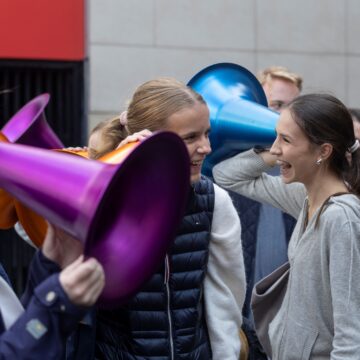
CWS is truly a super-collaborative initiative. A memorable experience for me came out of our partnership with the team at University of Portsmouth and the event they hosted in June last year. David Hutchinson was the workshop MC and brought his air-horn to signal to participants that it was time to move on to the next activity.
How does it feel to be at the workshops with such a variety of people in attendance – what’s the energy like?
Paul Kemp:
I would describe it as buzzing. At the end of the workshop you are tired because you spend an enjoyable afternoon listening to different perspectives and developing your own ideas related to your beliefs, evidence, and aspirations for the future
Thomas Rushby:
I would describe the energy as passionate and urgent. I think that all of our members bring passion for making a difference on the state of the rivers and water bodies in our region. It doesn’t matter if they are from academia, industry, public or third-sector, they all want to make a difference. CWS is about taking that passion and channelling it into meaningful projects – supported across-sectors.
What impact do you hope Clean Water South will have over the next few years?
Paul Kemp:
We are already seeing benefits from the CWS network in the development of policy briefs, a roadmap for future activities, and enterprise and consultancy initiatives being developed with the University of Southampton and our network members. We look forward to continued growth in this area and future visits to Westminster to demonstrate the value of such “ground-up” community led initiatives in solving real world problems.
Ruby Jackson:
We want action to happen 😊
Thomas Rushby:
We hope that we are able to bring this diverse network of people together to deliver projects that make meaningful and significant steps towards cleaner water in the south. It’s a simple as that.
Clean Water South continues to grow not just in numbers, but in ambition. The enthusiasm and commitment shown at this event underline the importance of this network and the value of creating a space where collaboration can thrive.
The most recent workshop focused on refining specific projects from 6 previously identified themes – that shape water resilience in the region – into clearer, actionable documents and translating ideas into concrete project concepts. This included identifying partners, resources and next steps for proposals that could be taken forward for funding, testing or further development.
To connect with the network or learn more about the work of the hub, email futuretowns@soton.ac.uk.