British Science Festival Community Grants Programme
As part of your research, do you work with community groups/organisations in Hampshire whose audiences are traditionally underrepresented and not engaged in science activities? If so, they could be eligible for a grant of up to £1000 to help them run their own series of audience-led events and activities as part of this year’s British Science Festival (BSF).
Staff Matters talked to Kara Goodland, Operations and Relationship Manager, Research & Innovation Services about the criteria for the Grants Programme.
What is meant by a community group and are these from Southampton or from Hampshire in general?
The university already works with many different community groups including groups from local VCSE (Voluntary, Community and Social Enterprise) sectors. For this scheme, a community organisation or group can serve various purposes within a community offering support, information, advocating for causes, providing entertainment, education or creating opportunities for social connection. To prioritise events that are embedded in the local community, the British Science Association are seeking community groups and organisations based in the city of Southampton that work directly with audiences who are traditionally underrepresented and who are currently not engaged in science.
Do these groups have to be ones that our academics and researchers are working with at the moment?
No, however if academics and researchers are looking for funding to run an event and it meets one of the target audiences, they are encouraged to partner with a community group. The community groups should take ownership of the activity and apply for the grant directly themselves. These applications have a much better chance of being successful.
What criteria do community groups need to demonstrate in order to be considered?
To be eligible for the BSF 2026 Community Grants, the organisation must be predominantly active within the city of Southampton. This grant scheme aims to empower and support community organisations and groups to run activities that demonstrate the relevance of science to the lives of their audiences. Priority will be given to events that are embedded in the local community and to events targeting adults (ages 16+), in line with the target audience of the British Science Festival. Events must take place between August and November 2026 and applicants must represent or have existing connections to a community-based group or organisation that works directly with people who are traditionally underrepresented and currently not engaged in science activity. For this scheme, the definition of groups that are underrepresented in science include:
- People living in communities which face deprivation
- People from minoritised ethnic backgrounds
- People in faith/religious communities
- Disabled people, including neurodivergent people
- LGBTQI+ people, including diversity in sexual orientation and gender identity
- BSF 2026 community grants cannot be used for events or activities taking place in primary or secondary schools.
Activity providers, libraries, museums, and other institutions who are looking for funding to run an event with a group that meets one of the target audiences are encouraged to partner with a community group. The community groups should take ownership of the activity and apply for the grant directly themselves.
What counts as science activity?
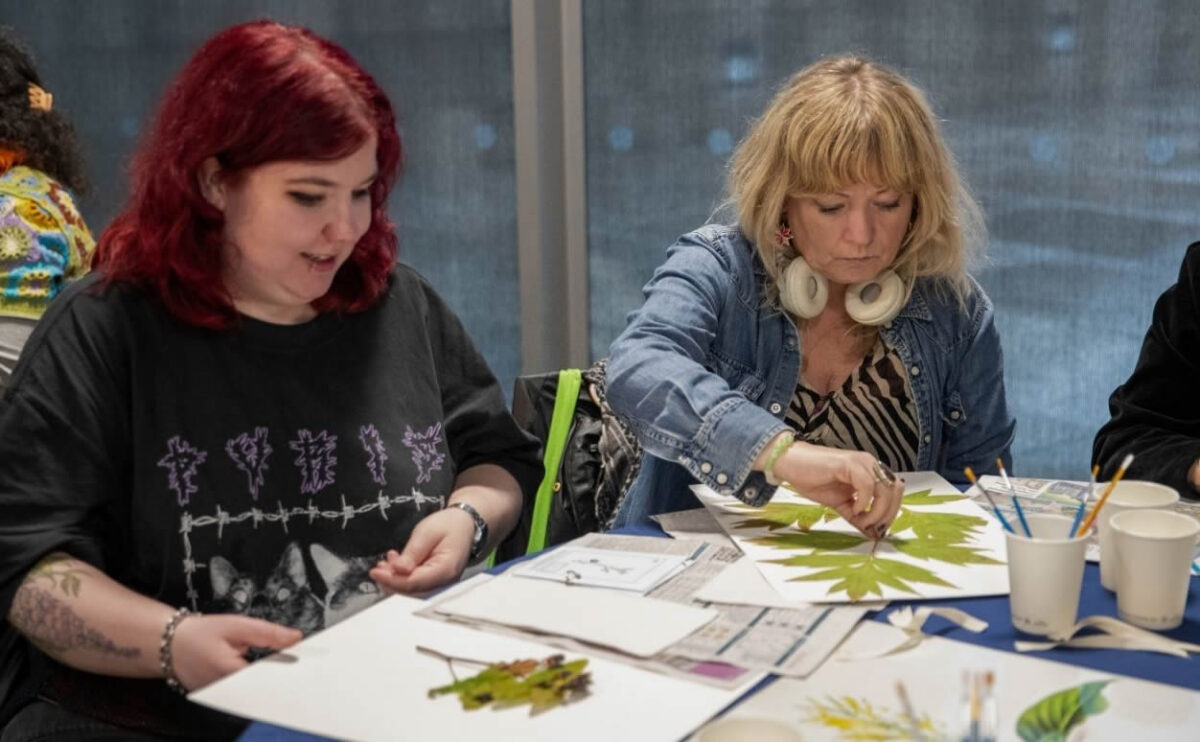
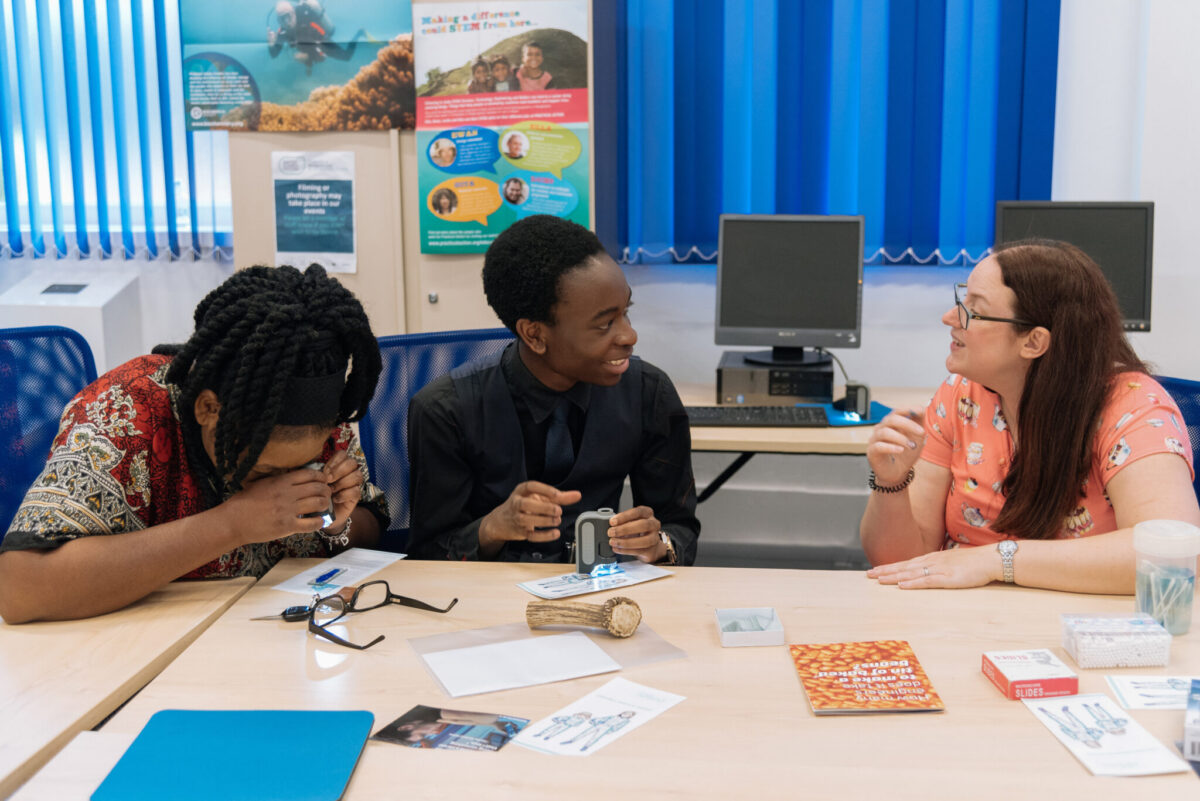
From experience I would say, science activity is an organised experience that helps people explore, question, or discover issues that affect culture and society. For this scheme, groups are encouraged to consider the issues that are impacting the local community on a daily basis and how science might relate to these topics. Groups could think about how a practical or hands on activities could engage a group in a new skills or topic. For example, health could be explored through cooking classes, or a talk about sustainability could be instigated through repair workshops or discuss tips and tricks to insulate homes in response to the cost-of-living crisis. An example from a previously funded project included Sensory play programmes for new parents and carers with babies from birth to first steps, blending science with rhythm, music, and movement to explore early brain development, bonding, and learning through play. The BSF explores Science in its broadest sense, for inspiration I would encourage organisations to look through ‘What type of activity could you run?’ on the Community Grant Scheme page.
Why is it important to involve community groups in the BSF?
One of the main aims of the BSF is to remain a leader in inclusive science engagement for adults (aged 16 and over) who are underrepresented in, and currently disengaged from, science. The BSA recognise the expertise of community leaders in working and collaborating with local and often underrepresented audiences and as such want to support, grow, and diversify this community of people. Involving community groups in this platform for engagement also opens doors to people who may not attend traditional science events and supports innovation, inclusivity, relevance, and impactful collaborations.
Once the BSF has left Southampton, what legacy will this initiative leave in terms of the community groups who’ve received grants and participated in the Festival?
Successful grant applicants will be offered flexible support, including online calls to discuss ideas and challenges with colleagues from the British Science Festival and University of Southampton. As a civic university deeply embedded in the local city and region, our ambition for this programme is to build further lasting connections between community groups, the University, researchers, cultural institutions, and science communicators. We aim to create relationships that continue to grow beyond the festival, supporting future engagement approaches that are more equitable, in tune with needs of participants/partners and more likely to have successful, mutually beneficial outcomes.
For further information:
British Science Festival – Community Grants webpage.
Share this article on social media: