British Academy award for Dr Giulia Felappi
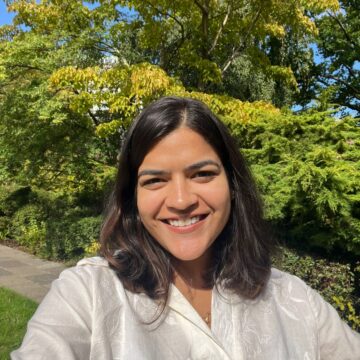
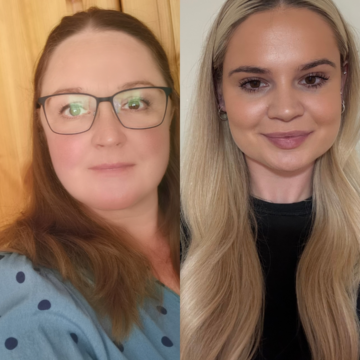
Dr Giulia Felappi, Associate Professor in Philosophy, has been awarded a British Academy Mid-career fellowship.
Through this scheme, the Academy seeks to support outstanding individual researchers with excellent research proposals, and to promote public understanding of and engagement with the humanities and social sciences.
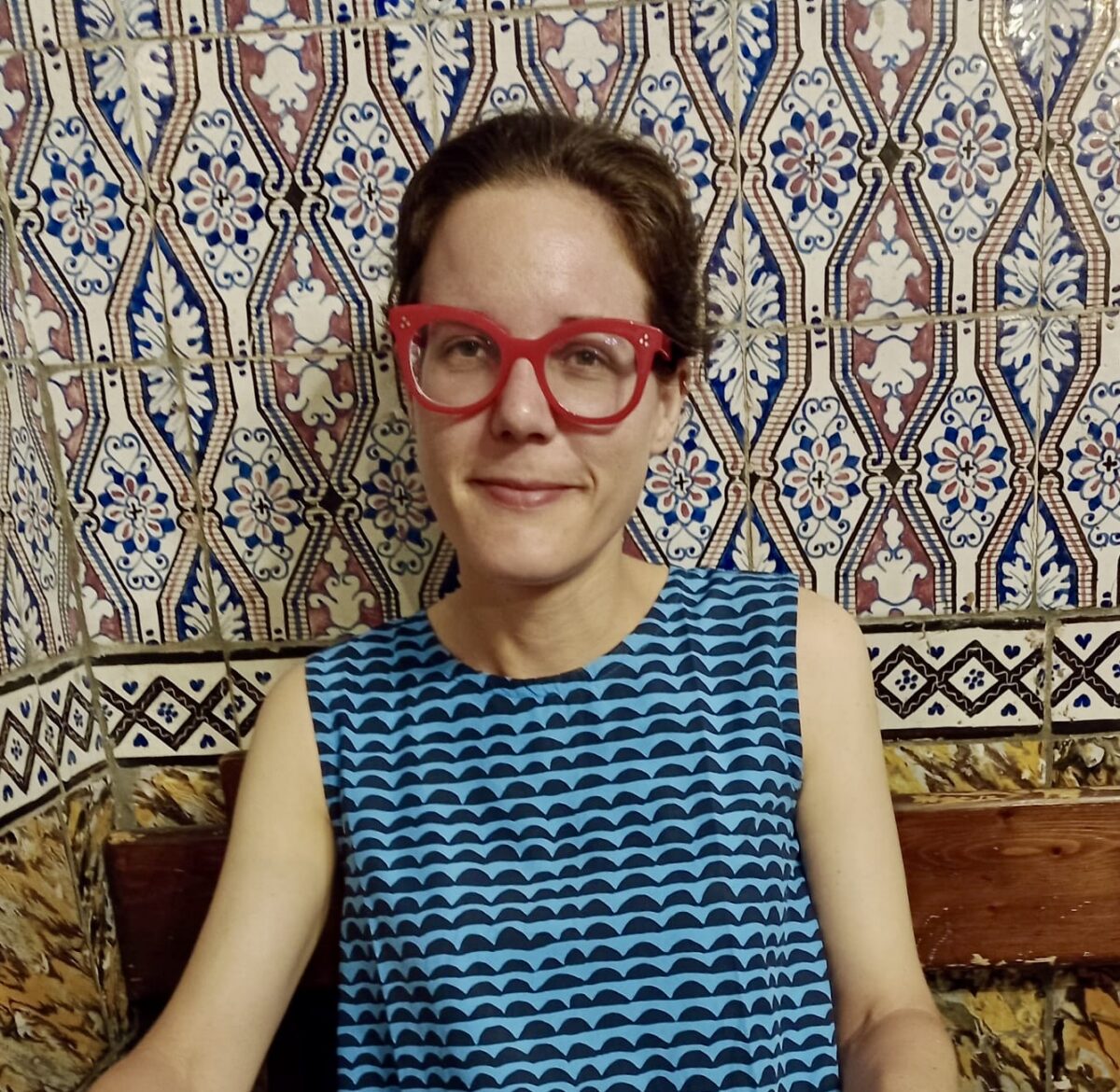
Giulia works primarily on the intersection between philosophy of language and metaphysics. She focuses on the nature of contents, propositions and facts, and the accounts of propositions and facts in the history of Early Analytic Philosophy.
She is particularly interested in some neglected women philosophers, especially Susanne Langer, Dorothy Wrinch and Margaret Macdonald.
The British Academy award supports a project entitled: “The reappearance of Margaret Macdonald’s ink’.
Macdonald was a leading figure in the British philosophical community from the 1930s to the 1950s, a period in which British philosophers played a central role in shaping the discipline as we still carry it out today across the globe.
She published widely in the best international journals then and still now, on a variety of topics, from philosophy of language and mind to logic, aesthetics, epistemology and meta-philosophy. She took a very active part in the Aristotelian Society, which was then and still is one of the leading learned societies in philosophy.
She acted as co-editor and then sole editor of the journal Analysis, which, in those years, crucially contributed to shaping the discipline, and still does. Yet, Macdonald’s work was quickly forgotten. To use O’Neill’s (1998) expression, her ink simply disappeared up until a couple of years ago. Things then began to change and scholars across the globe started to rediscover Macdonald’s work.
Giulia’s project sits within the current rediscovery of Macdonald’s philosophy, by producing the first book-length, systematic and detailed reconstruction, analysis and assessment of her philosophy.
Macdonald was interested in addressing the big philosophical questions, which go beyond those raised within a small debate or a particular tradition: What is art? What is good reasoning? Why do we have societal duties? What is meaning? Is our thinking influenced by the language we speak? What is the role, for the whole humanity, of the products of intellectual activities, such as philosophical theories and works of art?
Because Macdonald tackled the big questions, from a point of view that goes beyond a specific tradition or theory, many of her views, although currently neglected, are still options today, and Giulia’s project aims at making them salient in the current debates.
Share this article on social media: