A connected community: Southampton’s place in the sector
Sebastian Reichel, Development Manager in the Office of Development and Alumni Relations (ODAR), shared his thoughts on ODAR’s fundraising role with Staff Matters.
Behind the scenes in ODAR, a lot of our strength comes from how connected we are across the wider fundraising and alumni relations sector. In a world where the nature of philanthropy is shifting and external pressures are constantly evolving, those connections really matter.
The University of Southampton has built a strong profile across the UK and beyond, with ODAR colleagues actively contributing to and, in several cases, chairing key national networks. From major and special gift fundraising to stewardship and prospect development, we’re not just part of the conversation; we’re helping to shape it. That visibility means we can benchmark our work, share ideas openly and stay ahead of emerging trends.
It also comes at an exciting time. We’ve just launched our biggest ever fundraising campaign for the £100 million Institute for Medical Innovation (IMI) and the strength of these connections will play a huge role in how we approach and deliver it. Here is the website if you’d like to learn more.
A closer look: representing Southampton in practice
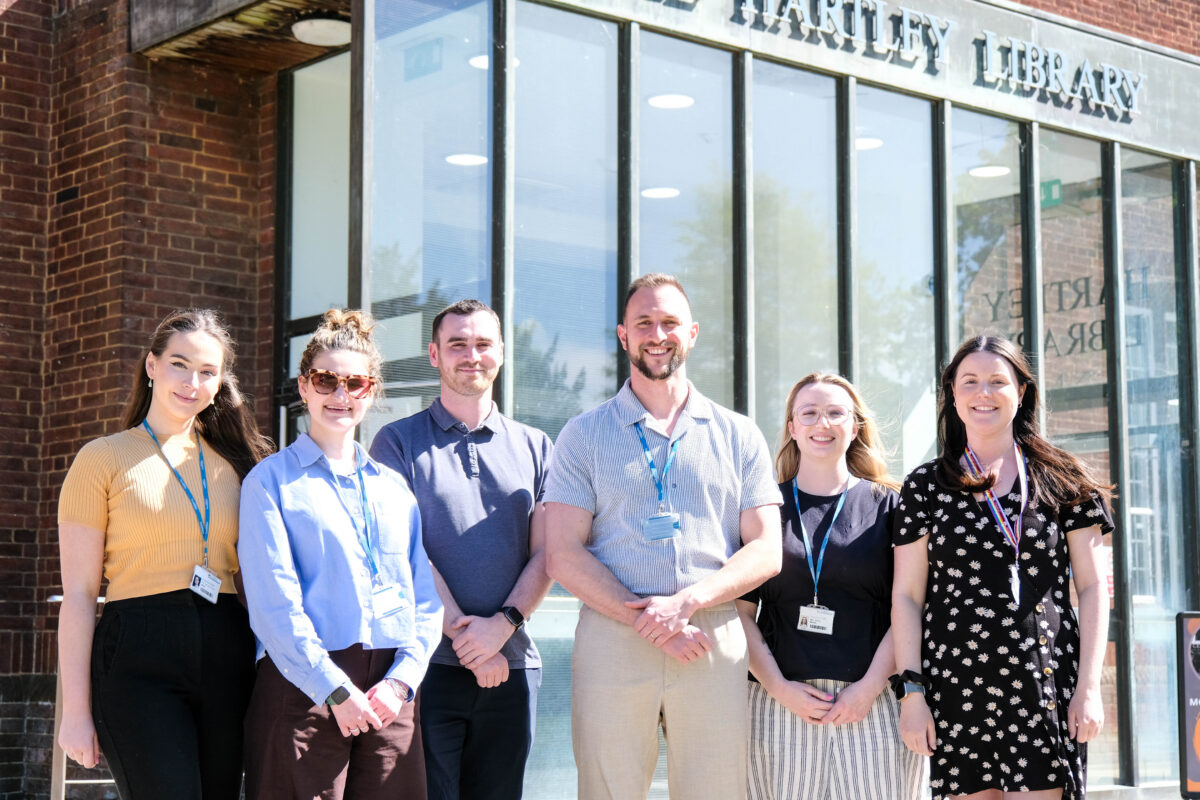
That wider ODAR presence is reflected in individual roles too, which is where my own work comes in. Representing my role as Development Manager in Southampton, I’m involved in two key areas: the Major Gift Fundraising Network (MGFN) and the Council for Advancement and Support of Education (CASE) UK & Ireland Cabinet.
Through CASE, which is the global professional body for advancement, Southampton has a voice in sector-wide discussions about the future of fundraising and alumni engagement. Being part of the Cabinet gives us a front-row seat to emerging trends across the UK, Ireland and internationally, and helps ensure we’re bringing those insights back to benefit the University.
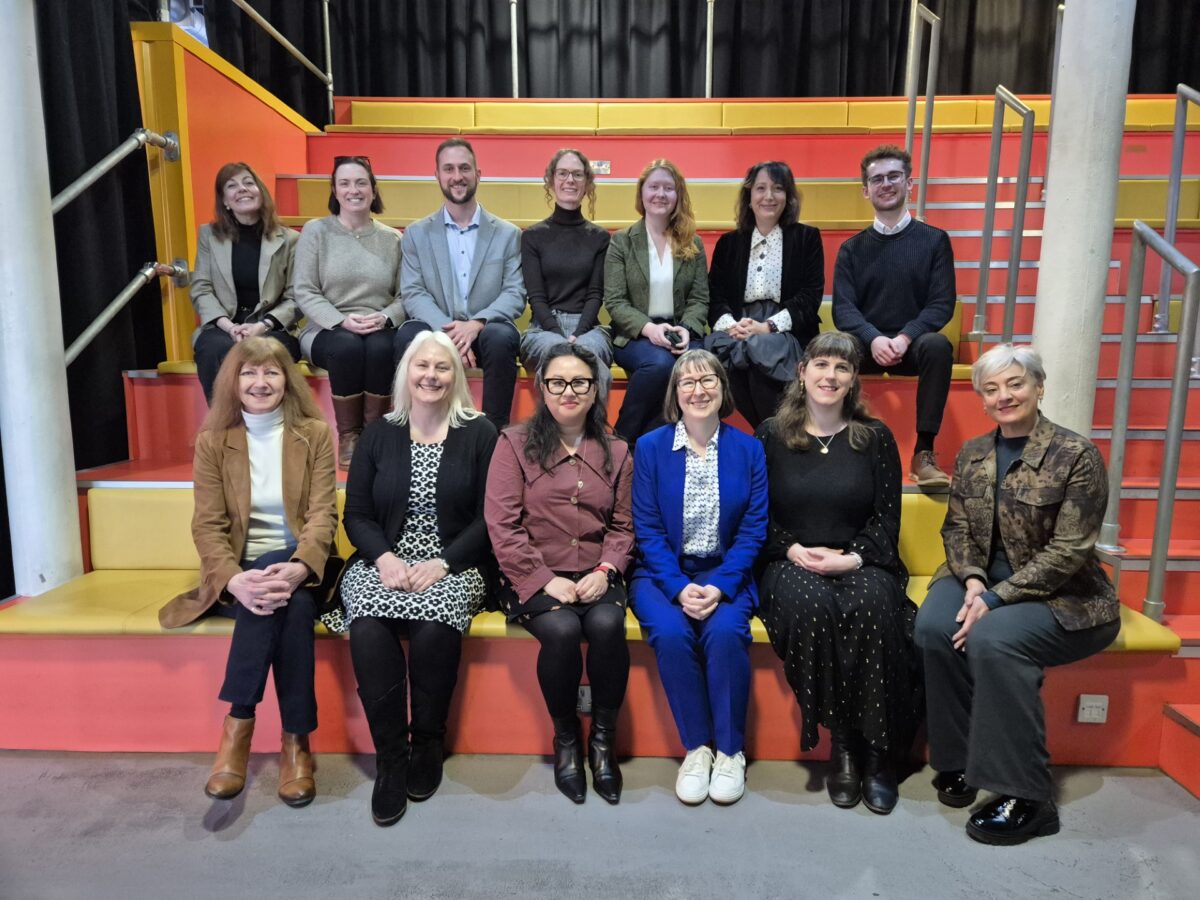
Alongside that, I founded and chair the MGFN, a community of more than 200 professionals working in major gifts across 70+ institutions in the UK.
It’s a real privilege to organise a network of so many fundraisers. In University fundraising, our conversations are genuinely meaningful and open, the advantage being that since we mainly engage our own alumni, we are not in direct competition with each other in the way other charities often are.
For me, these roles are really just one example of how Southampton stays well connected as an institution – through people, relationships and a willingness to learn from others.
Learning, sharing and leading beyond the University
Those connections go beyond higher education too. ODAR colleagues regularly engage with organisations like Cancer Research UK to explore topics such as fundraising targets and KPIs. Seeing how others approach similar challenges helps us test our own thinking and bring back fresh ideas.
At the same time, Southampton is increasingly contributing back. Teams across ODAR have led sector sessions on topics like endowment fundraising, sharing best practise in prospect research and donor stewardship.
That outward-looking approach is also reflected in external recognition. Our fundraising dashboards, for example, which our data team produced for us to keep track of our fundraising efforts, have received both European and global CASE awards, highlighting the strength of our data-led approach and innovation.
Turning insight into impact
The most important part of all of this is what it delivers back at Southampton, especially as we look ahead to delivering the IMI campaign. The insights we gain from across the sector directly inform how we approach fundraising strategy, stewardship and the way we use data.
One key area has been broadening who we engage with around philanthropy – something that will be essential as we build support for the IMI.
We’ve taken a lot of inspiration from other universities that are diversifying whom they speak with. That’s encouraged us to think differently too, whether that’s increasing support from women philanthropists or strengthening our connections with alumni overseas.
These are exactly the kinds of insights that help us build a more inclusive, global approach to fundraising, one that reflects the scale and ambition of the University.
Looking ahead – together
What really stands out is that this isn’t about one role or one team. It’s about a collective effort across ODAR – people building connections, sharing ideas and bringing those insights back to the University.
That will only become more important as we move forward. With the launch of the Institute for Medical Innovation campaign, we have a hugely exciting opportunity ahead of us (and nearly £40m left to raise…) and being part of a well-connected, collaborative sector puts us in a strong position to succeed.
At a time when geopolitical uncertainty, changing patterns of wealth and cost-of-living pressures are reshaping the fundraising landscape, staying connected – and staying open to learning – will be key.
Share this article on social media: