Southampton researchers contribute to Ebola virus vaccine research
A University of Southampton early career researcher has contributed to a new international study exploring potential vaccine approaches for Ebola-related viruses, including Bundibugyo virus.
The study, led by Professor Jiang Zhu at Scripps Research, was published in Nature Communications in December 2025. It investigates a nanoparticle-based vaccine strategy designed to improve immune responses against several members of the filovirus family, including Ebola virus, Sudan virus, Bundibugyo virus and Ravn virus.
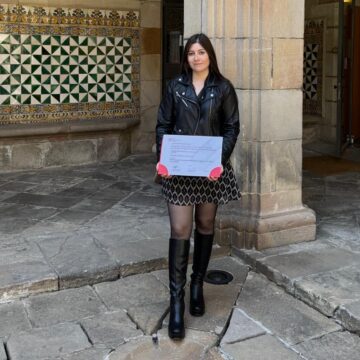
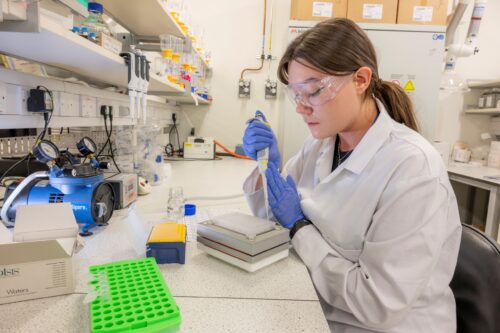
Dr Maddy Newby, an Early Career Researcher at the University of Southampton, contributed to the work through glycan analysis, alongside Southampton colleagues Dr Joel Allen and Professor Max Crispin. Glycan analysis is used to characterise the sugar molecules that decorate viral surface proteins and can influence how these proteins are recognised by the immune system.

The study was completed before the current outbreak and remains preclinical. However, the inclusion of Bundibugyo virus in the research underlines the importance of long-term work on filoviruses, including those for which no licensed vaccines are currently available.
While this research does not represent an available vaccine or a response tool for the current situation, it contributes to the wider evidence base needed to support future vaccine development for filoviruses beyond the better-known Ebola virus.
At a time when patients, health workers and public health teams are responding to a serious outbreak, the research should be viewed in that longer-term context.
In the paper, titled “Rational design of next-generation filovirus vaccines combining glycoprotein stabilization and nanoparticle display with glycan modification,” the research team describes engineered viral glycoproteins displayed on self-assembling protein nanoparticles. In mouse studies, these vaccine candidates generated antibody responses against several filoviruses, providing a platform for further investigation.
The study was also covered in a Scripps Research press release, which describes how Professor Zhu’s group is applying structure-guided vaccine design to develop broader approaches for high-risk virus families.
Southampton’s role in the collaboration reflects the University’s expertise in viral glycoprotein biology, glycosylation and vaccine antigen characterisation. It also highlights the contribution of early career researchers such as Dr Newby to large, multidisciplinary studies addressing infectious disease preparedness.
Professor Max Crispin, Director of the Institute for Life Sciences at Southampton, said:
“As the response continues in Central Africa, our thoughts remain with those directly affected. We hope that research from groups around the world can contribute, in time, to better tools for prevention, protection and care.”
Share this article on social media: